Understanding Metal Roofing Coils
What Are Roofing Coils?
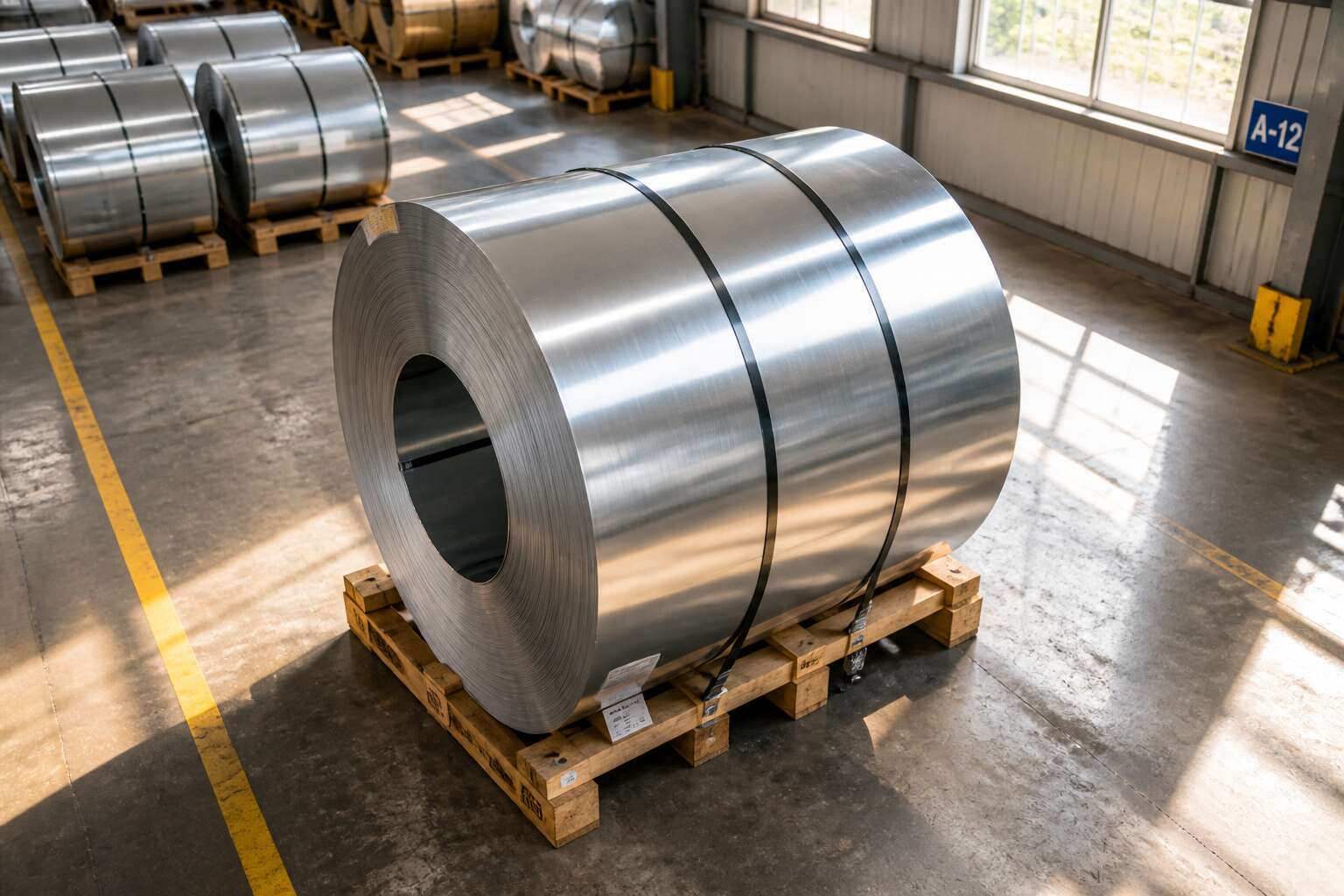
Steel coils arrive at South African factories with a quiet precision. A roof sheet coil is a continuous metallic strip, wound into transportable rolls, ready for profiling machines. Steel and aluminium dominate the market, each offering distinct structural behaviour.
Width and gauge determine the profiles a coil can shape. A 550mm roof sheet coil produces standard corrugated sheeting, while a wider one suits concealed-fix systems. Protective coatings, from zinc to galvalume, influence corrosion resistance in coastal cities and the arid Karoo alike. Roofing coils arrive with tight tolerances. Tempering must balance ductility with strength. Thickness variation affects how evenly panels form. Edge quality prevents cracking under pressure. Every parameter determines whether the finished product meets structural standards, which is why builders specify exact coil specifications. A consistent coil reduces waste on site and ensures the profiles fit together as designed.
Key Materials Used in Coil Production
Steelmakers call it the substrate: the raw metal that becomes a roof sheet coil. South African factories rely on two base metals. Cold-rolled steel delivers tensile strength; aluminium offers lighter weight and a natural oxide layer. The choice shapes every downstream step, from profiling to fastening.
Primary steel coils are hot-rolled, then cold-reduced to gauge. Aluminium coils undergo similar reduction, often with manganese or magnesium for strength. Both metals then enter the coating line, and this is where I pay close attention:
- Hot-dip galvanizing applies a zinc layer for sacrificial protection.
- Galvalume combines zinc, aluminium, and silicon to endure coastal mist.
- Pre-painting adds a polymer film for colour and UV resistance.
A roof sheet coil performs according to this metallurgy as much as its profile. Understanding these materials prevents corrosion and fatigue.
Common Coating Types and Their Benefits
South Africa’s summer UV index regularly exceeds 11, an extreme reading that punishes exposed metal. That constant exposure, not wind or rain, ages a roof sheet coil fastest. The coating system decides how long the material stays sound.
Sacrificial zinc layers corrode first, protecting the steel beneath. Aluminium-zinc alloys form a harder barrier against salt-laden coastal air. Polymer topcoats absorb ultraviolet light, preventing chalking and colour fade. These differences translate directly into a roof sheet coil’s lifespan, and the gap between systems is wider than most buyers expect!
- Galvanised coils: economical protection for inland roofs
- Galvalume coils: steady performance near the ocean
- Pre-painted coils: colour retention with lower maintenance
I have inspected roofs where the profile and installation were identical yet the metal failed at different rates. The only variable was the coating. The coating specification carries as much weight as the steel gauge.
Standard Dimensions and Gauges
South African roof sheet coil gauges vary by just 0.2 millimetres, yet that difference changes a roof’s lifespan by years! Thickness, measured in millimetres, ranges from 0.4 to 0.6 for most installations. Standard widths sit between 600 and 1200 millimetres, with tolerances that rarely exceed 2 per cent. Many suppliers use the old gauge number system, so 26 gauge equals 0.5 mm, and 24 gauge equals 0.6 mm.
- 0.4 mm for light residential covers
- 0.5 mm for standard pitched roofs
- 0.6 mm for high-wind or industrial zones
The gauge dictates purlin spacing. A 0.4 mm sheet needs closer supports, while a 0.6 mm sheet spans further. I have seen roof sheet coil failures caused by matching a heavy profile to a thin gauge. The difference between 0.4 and 0.6 millimetres is a structural margin, not a cosmetic one.
Advantages of Using Coiled Metal for Roofing
Cost-Effectiveness and Material Efficiency
The construction industry loses millions of rand annually to offcut waste and on site damage. The shift to factory processed roof sheet coil changes that economic equation. When metal arrives in continuous, pre cut lengths, the buyer pays for exactly what the roofer installs. This precision eliminates the expensive gap between theoretical coverage and actual material used.
Labor costs also contract. Handling a single coil requires less crane time and fewer workers than moving dozens of fragile, pre cut panels. The installation crew spends more time fastening sheets and less time managing logistics. Consider the financial advantages:
- Reduced transport costs from compact, stackable coils
- Minimised theft risk during storage and transit
- Faster turnaround for large scale commercial projects
This material economy creates a leaner supply chain. Builders can order roof sheet coil just in time for installation, reducing capital tied up in stored inventory. The savings accumulate quietly across every project phase, from procurement to final fixing. That efficiency is the ultimate benefit of choosing coiled metal for modern roofing.
Durability and Long-Term Performance
Every year, South African weather subjects roofing to ultraviolet radiation, hailstorms, and salt laden coastal winds. The continuous surface of a roof sheet coil eliminates the weak points that plague conventional panels. There are no cut ends to invite galvanic corrosion and no laps to lift under gusty Cape winds. The unbroken metal profile becomes the primary defence against the elements!
Thermal cycling flexes metal daily, from freezing Highveld mornings to afternoon heat. Coiled metal, with its consistent temper and gauge, handles this stress without developing micro fractures at fastener points. This resilience translates into fewer maintenance cycles and a structure that remains watertight for decades.
Long term performance also depends on tensile strength. A properly specified coil resists wind uplift and impact from summer storms, protecting the building envelope when it matters most.
Ease of Transportation and On-Site Handling
One truck can carry enough coiled steel to cover several roofs, because the compact roll eliminates awkward lengths. That means fewer trips across the Karoo or down the N2, saving fuel and reducing carbon footprints. On site, a coil is a single object, easy to crane into position or even roll by hand with a spindle. What a relief that is for crews used to wrestling with 6 metre sheets!
Workers then uncoil only what they need, cutting to exact measurements against the building’s profile. This approach minimises scrap and avoids the fragile edges of pre-cut panels. Handling becomes a two person job, not a five person ordeal. We have seen even the novice farmhand manage it with confidence.
The roof sheet coil simplifies logistics from factory to frame.
Reduced Waste and Fewer Seams
Seams are where roofs fail first. Fasteners loosen, sealants crack, and water eventually seeps through. A roof sheet coil changes that equation by allowing continuous runs from ridge to eave, eliminating the overlaps that pre-cut panels require. This is a real advantage along the Cape coast, where wind drives rain sideways.
The waste reduction matters just as much. A roof sheet coil is cut to exact measurements against the building’s profile, so offcuts are small. Pre-cut panels force a different reality: a 6.3 metre roof span often means buying a 7 metre sheet and discarding the remainder.
- Fewer seams reduce leak paths and thermal bridging
- Continuous profiles shed water more efficiently
- Coil offcuts are smaller and fewer than panel offcuts
We see farmers who once ordered dozens of pre-cut panels now managing with a single coil and a cutting station.
Design Flexibility and Aesthetic Options
A single roof sheet coil opens design choices that pre-cut panels make difficult. Curved profiles, standing seam details, and custom flashing become practical when metal feeds continuously through a profiling machine on site. The architect specifies a profile, the contractor sets the roll former, and the building matches the drawing.
Coils accept finishes beyond the standard galv. Wood grain laminates, matte textures, and deep charcoal tones are common on Cape Town homes. The colour is baked into the coating, surviving coastal salt and summer UV.
Design flexibility shows in practical ways:
– Flashings, bargeboards, and ridges roll from the same coil, matching colour and texture exactly.
– Roof pitch changes mid-run are easier to accommodate.
We saw a client choose a black roof sheet coil for a farmhouse, then use the same material for cladding and gutters. One product, one supplier, one consistent look!
Factors to Consider When Selecting Roofing Coils
Material Grade and Strength Requirements
Two coils can measure the same gauge yet one lasts decades longer. The variable is the material grade. Yield and tensile limits dictate purlin spacing, which changes cost, weight, and safety.
Consider these factors when specifying the coil:
- Minimum yield strength against wind uplift loads
- Elongation percentage for roll forming without cracking
- Grade classification like G300 or G550 for coastal versus inland regions
I have seen contractors choose a lower grade based on price and watch the deck ripple within a year. The right roof sheet coil balances the strength spec with the span condition. Always verify the mill certificate before delivery!
Weather Resistance and Corrosion Protection
The ocean air along the Cape coast carries chlorides that attack galvanising invisibly. A roof sheet coil must arrive with a coating mass suited to its destination, because corrosion does not pause. I have watched cladding fail within a year when the protective layer was too thin for the marine environment, the steel turning to rust lace under the paint.
Weather resistance is a calculated standoff. The zinc layer sacrifices itself so the steel beneath can live. For harsh exposure, consider these variables:
– Z450 coating mass for direct marine wind
– Aluminium/zinc alloy where humidity lingers
– Reverse side paint to fight condensation burn
Each roof sheet coil faces a different torment. Acid rain, chimney smoke, and industrial fallout all leave their mark. I have seen a lighter gauge outperform a heavier one purely because its corrosion protection matched the site.
Compatibility with Roofing Profiles
Compatibility with roofing profiles is a quiet contract between the roof sheet coil and the roll former. The width must match the dies. The yield strength must accept the bend radius. The coating must survive friction without flaking. Mismatches surface later as scratched paint or distorted ribs.
The profile’s rib depth and pitch dictate the gauge you need. Trapezoidal profiles punish thin steel with oil canning. Corrugated profiles tolerate more. Check the coil’s inner diameter against the decoiler. A fifteen minute stoppage can cost more than the coil itself.
- Confirm the coil width allows for edge trimming.
- Verify yield strength against fold geometry.
The roll former does not negotiate. It only demands.
Supplier Quality and Certifications
A supplier’s quality system reveals itself long before the first roof sheet coil hits the decoiler. In South Africa, reputable mills hold SANS approvals and ISO 9001 certification, but certificates alone do not guarantee consistency. Ask for mill test certificates on every delivery, not just the first one. Traceability matters. A roof sheet coil that arrives without documented chemistry and mechanical properties is a gamble you cannot price accurately.
Check the supplier’s handling practices. Coils stored outdoors in the Highveld humidity develop edge rust that contaminates the roll former. Verify their slitting tolerances and whether they inspect for edge burrs.
A reliable supplier offers:
- Consistent coating thickness across the full coil width
- Clear batch traceability to the original mill
- Valid third party test reports within the last twelve months
- Transparent lead times for reorders
The cheapest roof sheet coil often carries hidden inspection costs. Choose the supplier who documents everything, because the roll former records every mistake.
Lead Time and Stock Availability
The difference between a profitable roof and a loss often comes down to a single number: lead time. Across South Africa, construction schedules shift when a roof sheet coil runs late. Seasonal storms and infrastructural projects clamour for the same stock, so availability becomes the deciding factor in any procurement decision.
I have seen builders order from distant suppliers to save cents per kilogram, only to watch their timelines stretch! Local warehouses with steady inventory let you respond to site changes without panic. When choosing a supplier, examine their actual stock levels, not just their catalogue.
- How many roof sheet coil lengths are currently in your warehouse?
- What is your typical dispatch window from order confirmation?
- Can you guarantee a buffer stock for high demand months like late winter?
A supplier who answers clearly will match your rhythm, not the other way around.
Maintenance Needs and Lifecycle Costs
Maintenance needs often tip the balance of any roofing investment. A roof sheet coil with a thinner protective layer may cost less initially, yet it demands recoating or replacement years earlier than a heavier gauge profile. In South Africa, where sun damage and salt air accelerate wear, these differences become stark. Builders frequently discover that the lowest priced coil in the yard becomes the most expensive roof on the building over two decades. The true measure is not the purchase price but the cost per year of service.
Lifecycle costs depend on choices made long before installation:
– Specify a coating weight matched to your region’s specific climate conditions
– Confirm the zinc or aluminium-zinc alloy composition with your supplier
– Check whether the chosen profile allows for natural expansion and contraction over time
– Ask about warranty cover that transfers to the property owner
When you tally maintenance labour, replacement downtime, and future price inflation for materials, the calculation favours a robust roof sheet coil from the start. A wiser initial selection spares you the burden of repeated repairs. The quiet performance of a well maintained roof is a small luxury, one that never appears on an invoice, yet it shapes the net worth of the entire structure. For South African builders, the roof sheet coil that balances protective thickness with practical upkeep delivers the truest economy of all.
Manufacturing and Processing Techniques
Rolling and Forming Processes
Rolling transforms steel into a roof sheet coil through a sequence of progressively tighter passes, each compressing the metal to a precise gauge. The process demands consistency, because a variation measured in microns affects how the profile interlocks on site. Forming then shapes the flat strip into trapezoidal or corrugated geometries, with roll dies working in tandem to avoid stress fractures.
Consider what happens during these stages:
– The coil is uncoiled under controlled tension to prevent telescoping.
– Rollers apply gradual pressure to achieve the desired thickness.
– Cut-off presses trim the profile to exact lengths.
South African weather conditions place a premium on uniform thickness, since uneven sections weaken fastener grip over time. A well-tuned line reads the metal’s temper and adjusts pressure accordingly, which is why experienced mill operators remain indispensable. Every roof sheet coil that leaves the plant carries the signature of these adjustments. Manufacturers who monitor roll wear closely produce a roof sheet coil that installs faster and performs predictably for decades.
Slitting and Cutting to Size
A dull blade leaves a jagged edge, and a jagged edge ruins the entire strip before it ever becomes a roof sheet coil. I have watched slitting lines where operators check blade wear before every shift, because a hairline variance in width forces the roll former to stretch the metal and causes stress marks. Precision is not a luxury here, it is survival!
Cutting to size happens right after forming, using guillotine shears or flying presses that measure length in real time. A mis-cut panel is waste, and waste eats margins. South African plants often use mechanical stops for standard profiles, while servo-driven systems handle custom orders with ease.
- Strip width tolerances hold to 0.5 mm
- Edge finish is checked every 50 m
- Length error stays under 2 mm
Each pass through these machines yields a roof sheet coil that sits flush on the roof trusses, ready for harsh sun and heavy summer storms.
Corrosion Treatment and Primer Application
Corrosion is a silent process. Any metal exposed to salty coastal air or industrial fallout will deteriorate without obvious warning. The primer application process is what separates a decade of service from a premature failure. South African plants treat the metal with conversion coatings before painting, ensuring that no microscopic pocket of moisture survives.
The treatment line moves through three stages:
- Degreasing to remove rolling oils.
- Phosphate conversion to anchor the primer.
- Rinsing with deionized water to eliminate residues.
Once the surface is prepared, a chromate or zirconium primer is applied in thin, even coats. This layer serves as the primary defense against the relentless substropical sun. For coastal regions, thicker film builds are nonnegotiable. Every micron of primer on that roof sheet coil contributes to its long, quiet endurance.
Color Coating and Finish Options
Something peculiar happens when a steel coil meets the cold rolls of a profiling machine. The metal compresses, stretches, and ultimately forgets its original flatness. Each pass through the forming stations reshapes the roof sheet coil into a profile that must lock with the next seam. A subtle miscalculation in roller pressure causes wave edges, a quiet disaster visible only after sunset when the light catches the ripples. South African manufacturers measure these tolerances in microns because the sun will expose every flaw.
Color coating follows a different ritual. Liquid paint, applied through a reverse roll coater, lands on the steel at a precise, unforgiving speed. The oven then cures the film, locking in the hue. This is where the character of a roof sheet coil emerges, either matte or gloss, light-absorbing or heat-reflective. For those who need specific aesthetics without sacrificing function, consider these finish options:
– Polyester for cost-sensitive, inland projects
– PVDF for coastal durability under severe UV exposure
– Sand-textured finishes that hide scratches from handling
– Metallic tones that shift with the afternoon light
The polymer chemistry determines how many years the color survives the African sun. Thin films break down, while thicker, aliphatic urethane systems hold their pigment against the harshness. A well-formed, well-painted roof sheet coil becomes a silent armor, almost imperceptible in its quiet refusal to fade.
Quality Control and Inspection Standards
Every roof sheet coil that leaves a South African mill endures a gauntlet of measurement. The forming line runs at speed, yet sensors sample thickness and profile curvature continuously. A deviation of a few microns can turn a clean seam into a leak point, so quality control happens in real time. Operators check the polymer film thickness with digital gauges, verify the steel’s yield strength through tensile tests, and inspect the final profile against a master template.
The sequence matters as much as the equipment itself:
- Incoming substrate verification
- In-line dimensional monitoring
- Destructive sampling for bend tests
- Salt spray assessment for corrosion resistance
Only after those gates close does the roof sheet coil earn its certification. This discipline becomes invisible in the finished roof, but it determines whether the structure stands silent for thirty years or cries out in the wind.
Applications and Installation Best Practices
Residential Roofing Projects
According to a 2023 industry report, nearly 40% of residential roof failures trace back to installation errors, not material defects. In South Africa, that statistic plays out on countless gable roofs and garage extensions. A roof sheet coil might have perfect gauge and glossy coating, but mishandling it will guarantee a ceiling that drips. Best practices hinge on three unglamorous chores:
- Fastener spacing that follows a set pattern, not a guess.
- Overlap seams oriented to shed water away from the prevailing storms.
- Edge profiles rolled to a tight curl, preventing flapping.
Getting these right keeps the roof quiet and your furniture dry. Highveld thunderstorm season is unforgiving, so treat the coil with respect, not optimism.
Commercial and Industrial Applications
Industrial roofs do not care about your feelings, but they do care about wind uplift and seam alignment. A roof sheet coil on a factory floor demands a crane, a brake, and a crew that communicates in hand signals, not guesswork. The difference between a watertight warehouse and a very expensive sprinkler system is often a half-inch overlap error.
- Check the coil’s flatness before unrolling; a damaged edge amplifies every subsequent mistake
- Set your roll forming machine to match the exact profile specified for the building’s span
- Fasten from the eave to the ridge to prevent trapped waves
Commercial sites also require staging areas that keep the roof sheet coil clean and dry. Sand and moisture cause corrosion. Schedule deliveries to match installation pace, because material left on site for two weeks will develop rust.
Common Mistakes to Avoid During Installation
A roof sheet coil that arrives perfectly flat can still fail within five years if the installer ignores the basics. On South African sites, where afternoon thunderstorms arrive without warning, small errors become costly leaks. I have seen crews rush to unroll material over dusty gravel and then wonder why the edges never align.
The first rule is to protect the coil from the moment it leaves the truck. Store it off the ground, on a slight incline, so moisture drains away. Check the edges for burrs before feeding the roll former; a single damaged edge can throw every profile out of spec. When fastening, work from the eave upward, never from the ridge down, because trapped waves will develop overnight!
Common mistakes to avoid include:
– Overtightening screws, which crushes the rubber washer and destroys the seal
– Walking directly on the crest of the sheet instead of down at the purlin
– Mixing fastener lengths from different suppliers, which causes inconsistent pull-down
Staging areas should be covered and dry. A roof sheet coil left exposed for a week will accumulate dew, and that moisture accelerates corrosion precisely where you cannot see it. Match delivery schedules to installation speed. Ordering too much stock is not efficiency; it is a liability.


0 Comments