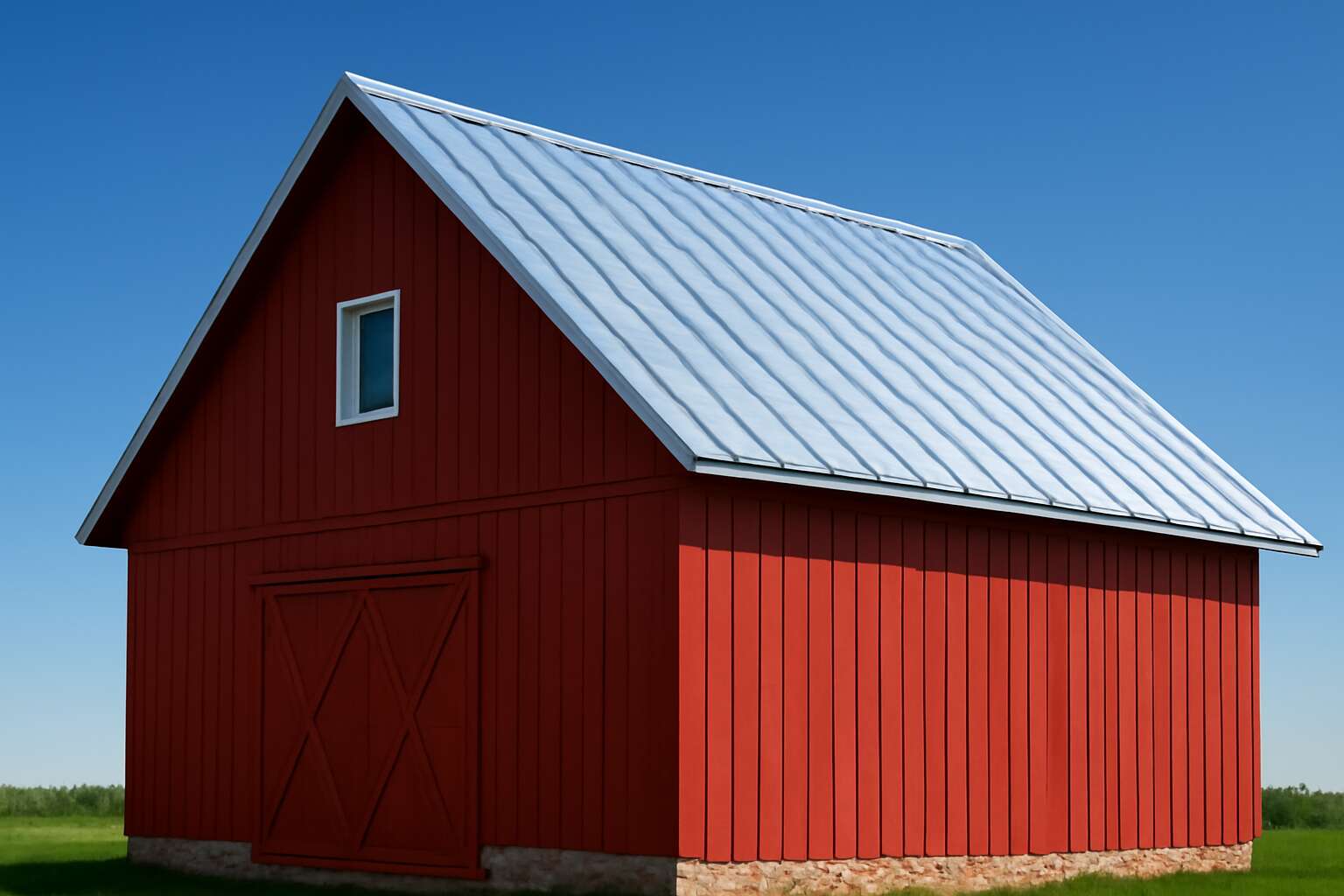
Energy-Efficient Roofing Solutions for Barns
Why insulation matters for barn roofs
On South African farms, a well-chosen roof can slice energy bills by as much as 25% during brutal summers and sudden chills in winter. The barn becomes a controlled space where weather’s pressure is softened, quieting the creaks of aging timbers and easing the strain on livestock and handlers alike!
Insulation equals predictability. insulated barn roof sheets slow heat transfer, curb condensation, and reduce humidity-driven corrosion, turning a volatile environment into steadier, calmer quarters for animals and stored feed.
Consider these core advantages:
- Lower energy costs
- Steadier temperatures
- Less condensation and rust
- Enhanced roof longevity
For South African operations, durability under sun and coastal exposure matters. Selecting durable roofing solutions offers a quiet resilience that protects investments, supports productive farming cycles, and echoes a commitment to sustainable stewardship.
Common materials for insulating barn roof sheets
A sun-scorched SA barn can lose a quarter of its cooling efficiency when the roof misses a beat. From field notes across South African farms, I’ve seen the right energy-smart roofing calm the day’s heat, making chores easier and stock happier.
- Polyiso foam panels for high R-values and slim profiles
- Reflective metal cladding with a foam core
- Mineral wool or fibreglass batts for quick retrofit
In our coastal and sun-battered landscapes, durability matters as much as insulation. These insulated barn roof sheets deliver UV resilience and corrosion resistance, translating to steadier temperatures and quieter operations.
How insulated roof sheets reduce heat loss and moisture
South African barns endure sun like a bass solo—loud, relentless, and a tad melodramatic. A feverishly hot afternoon can push interior temps past comfort, rattling fans and wallets alike. Smart roofing is the quiet hero, cooling the space without turning your shed into a wind tunnel.
These insulated barn roof sheets slip into the ceiling like a velvet night—reducing heat loss and blunting moisture migration. They pair a tight air seal with a thermal barrier, so summer heat stays outside and dew doesn’t crash the stock’s party when night falls. In coastal and sun-battered zones, that steadier rhythm matters as much as insulation itself.
- Steadier temperatures for livestock
- Lower energy bills and longer equipment life
- Reduced condensation and rust risk
- Durability against UV and salt air
In short, it’s not just insulation—it’s a smarter roof for a tougher climate.
Choosing the right thickness and R-value for your climate
South Africa’s barns wrestle with sun that never rests, and a single sheet won’t cut it. Energy-efficient roofing starts with one simple choice: thickness and R-value tuned to your climate. For insulated barn roof sheets, the right pairing lowers heat gain in hot afternoons and minimizes condensation at dusk.
Choosing the right thickness is a climate conversation. Inland heat begs a sturdier panel with a solid R-value, while coastal air benefits from moisture-resisting layers that keep ceilings dry without stifling airflow.
Consider these climate-driven dials:
- Coastal and humid zones: opt for higher R-value and vapor barriers to tame dew and humidity.
- Inland and hot, arid regions: balance thickness with ventilation to sustain a cool interior during long afternoons.
- Sunny, UV-heavy sites: prioritize UV-resistant outer skins and durable substrates to resist wear.
That steady rhythm matters.
Types of Barn Roof Sheets with Insulation
Metal insulated panels vs composite insulated panels
Across South Africa’s farms, the simple upgrade—insulated barn roof sheets—can drastically cut winter energy bills and keep hay dry. The moment you seal the roof, a quiet warmth settles in, and moisture fears retreat like fog lifting at dawn!
When weighing metal insulated panels against composite insulated panels, think about temperature consistency, weight, and long-term costs. The choice isn’t just metal versus resin—it can feel like choosing between sun and shadow.
- Thermal performance and R-values
- Durability, corrosion resistance, and maintenance
- Installation speed and structural load
Metal systems tend to deliver rugged durability and fast installation, while composites offer uniform insulation and flexibility for tricky barn geometries. Either path improves how heat and moisture behave in large spaces!
Polyurethane vs polystyrene core pros and cons
Across South Africa’s farms, a small upgrade can slash winter energy bills and keep hay pristine. This upgrade—insulated barn roof sheets—seal out cold drafts, letting warmth linger like sunbeams after rain. The choice between core materials can feel like choosing between dawn and shade, with polyurethane and polystyrene offering distinct paths to comfort and cost.
- Polyurethane core — high R-value per inch, superb air sealing, and thin profiles that keep structural load light.
- Polystyrene core — cost-effective, easy to handle, and excellent moisture resistance in closed-cell variants, though thicker layers may be needed for the same insulation.
Fire resistance and durability considerations
On South Africa’s farms, winter energy costs can drop by up to 25% when barns are fitted with proper insulation. The choice of insulated barn roof sheets matters for fire resistance and durability as much as for price and ease of installation.
Two main families shape the market: metal insulated panels and composite insulated sheets. Each can deliver fire-rated performance and weather resilience, but real-world results depend on core material, outer coatings, and secure attachment to the framing—elements that stand up to sun, wind, and the occasional hail.
Consider these factors when assessing options:
- Fire resistance ratings and certifications
- Durability under local climate, corrosion, and UV exposure
- Maintenance, warranty terms, and repairability
Ultimately, the right fit for insulated barn roof sheets reflects local climate, storage needs, and budget, shaping a roof that endures season after season.
Color and finish options that impact insulation performance
Color and finish aren’t mere vanity in insulated barn roof sheets; they’re tactical levers for thermal performance. Lighter tones reflect sunlight, tamping radiative heat, while darker hues welcome warmth on brisk SA mornings. A well-chosen finish translates to steadier interior conditions, lower cooling costs, and happier animals.
- Light-colored coatings maximize reflectivity and UV durability.
- Metallic or PVDF finishes boost coastal or dusty resilience.
- Matte or satin finishes minimize glare and mask dust.
- Gloss finishes simplify cleaning in dusty SA environments.
When evaluating insulated barn roof sheets, treat color and finish as part of a system alongside core material and secure fastening. The right combination of insulated barn roof sheets and finish can prolong life, stabilize storage conditions, and keep South African barns looking purposeful season after season.
Climate-specific sheet choices for barns
Heat slams South African barns, and roof losses can push cooling costs up by 20%. The right roof system trims those costs and steadies the animals’ comfort. The choice of insulated barn roof sheets goes beyond thickness—it’s about climate and finish working as a system.
For climate-specific needs, consider:
- Inland, high sun: choose light, highly reflective finishes to boost daytime comfort.
- Coastal or dusty SA conditions: metallic or PVDF finishes resist salt spray and grime.
- Cold mornings: higher R-values with rigid cores like polyurethane for persistent warmth.
- Dry, arid farms: matte finishes reduce glare and hide dust between cleans.
These options pair with the core material and fastener choices to prolong life and keep barns looking its best season after season.
Installation and Maintenance of Insulated Barn Roof Sheets
Step-by-step installation best practices
Barns breathe too; their warmth should be a partner, not a leakage. In South Africa, up to 30% of heat can escape from roofs that lack proper insulation, turning daily chores into a winter chorus. With insulated barn roof sheets, the rhythm stays steady, delivering reliable warmth while keeping moisture at bay.
Installation requires clean, dry surfaces, precise alignment, and the right fasteners. Check for levelness, seal joints firmly, and leave room for expansion as the seasons shift. Maintenance is a quiet pact: remove debris, inspect seals after storms, and re-seal any gaps before they widen. With insulated barn roof sheets, routine maintenance keeps your climate-control investment airtight.
- Prep the deck and align sheets
- Fasten per spec and seal
- Inspect and re-seal seasonally
Together, these steps ensure insulated barn roof sheets perform like a sunrise over corrugated steel.
Sealing, vapor barriers, and moisture management
Drafty barns waste more than time—they waste money! In South Africa, up to 30% of warmth sneaks out through unsealed roofs, turning chores into a winter chorus. With insulated barn roof sheets and smart moisture management, you keep the climate inside steady and budgets sane.
Sealing and moisture management act as quiet guardians of performance. A well-considered vapor barrier holds humidity in check, while a breathable underlay allows controlled moisture release without inviting damp. When surfaces stay dry and seals hold, insulation works as intended, resisting condensation pockets and maintaining a healthier space for animals and people alike.
- Condensation control relies on balanced barriers, membranes, and ventilation
- Moisture migration is minimized by proper material interfaces
- Seasonal visual checks help catch hidden damp before it spreads
Ventilation strategies to maximize insulation efficiency
In South Africa, up to 30% of warmth slips away through unsealed roofs, turning chores into a winter chorus. With insulated barn roof sheets, the climate inside stays steadier—a quiet warmth that makes chores feel almost ritual rather than ruts.
Installation quality matters; when barriers, membranes, and ventilation align, the system does the quiet heavy lifting. Favor balanced airflow, breathable underlays, and clean edge seals so condensation steers clear of cold pockets.
Here are design-minded checks to support ongoing performance:
- Strategic vent placement to encourage cross-ventilation without drafts
- Regular seasonal inspections of seals and connectors to catch leaks early
- Compatibility between sheets, membranes, and framing for long-term durability
Routine maintenance and longevity tips
Thirty percent of warmth slips away through unsealed roofs in South Africa, and the chill does more than numb fingers—it eats margins and morale. A well-chosen insulated barn roof sheets system steadies the climate with quiet certainty, but longevity comes from patient maintenance, not luck. You listen to the barn; it speaks in drafts and damp breaths, urging care.
Routine maintenance and longevity hinge on a few high-level checks, not a long to-do list.
- Visual checks of seals and edge trims for wear.
- Condensation or moisture near penetrations.
- Clear debris from eave channels to keep airflow unobstructed.
Treat the barn roof as a living part of the building—season after season, it rewards steady oversight with warmer days and steadier chores.
Cost, ROI and Compliance for Barn Roof Insulation Solutions
Initial cost considerations and budgeting
Heat ghosts linger above every barn in the Highveld, turning twilight into a furnace. A quarter of heating losses can vanish when roofs breathe properly—thanks to insulated barn roof sheets that lock in warmth and cast out damp shadows.
Cost is not a specter but a ledger. Initial outlay, fitment, and the current of energy savings determine ROI for insulated barn roof sheets.
- Upfront price and installation complexity
- Projected energy savings and maintenance costs
- Availability of incentives and compliance charges
Compliance remains the guardian at the gate: in South Africa, align with SANS 10400-L energy and fire regulations, secure manufacturer certifications, and respect warranty provisions.
Energy savings and payback period estimates
Costs cast a long shadow over barn upgrades, yet insulated barn roof sheets deliver clear payback through lower heating bills. The initial outlay covers sheets and fitment, but the warmth returns across many winters. In South Africa, durability and warranties shield ROI from fickle weather.
ROI hinges on climate and usage; payback for roof assemblies often lands within a few seasons. Compliance costs exist but are manageable: align with SANS 10400-L, secure certifications, and honor warranties. Incentives can accelerate the return.
- Upfront price and installation complexity
- Projected energy savings and maintenance costs
- Availability of incentives and compliance charges
Together, these factors illuminate the true cost and ROI, a horizon where insulated barn roof sheets stand as a quiet guardian against waste.
Building codes, warranties, and fire safety standards
In South Africa’s frosty mornings, a barn that breathes with a well-sealed roof feels warmer than a hearth. The upfront investment covers insulated barn roof sheets and fitment, but the return arrives with the first misty morning heating bill. Warranties guard the promise, and the roof’s durable cores shrug off sun and weather for years!
ROI hinges on climate and usage; the colder the barn, the sooner the payback. Energy savings compound with low maintenance, delivering a steady margin across seasons. Choose a solution that balances core and finish, and the numbers work in harmony, turning a cautious investment into warmth.
Compliance costs stay manageable: align with SANS 10400-L, secure certifications, and honour fire-safety standards. Manufacturer warranties shield risk, while local audits and permits keep the project on the right side of regulation. In South Africa, a compliant install preserves ROI and the roof’s guardianship of the shed.
Where to buy and choosing a reputable supplier
“Heat is profit,” a South African farm manager once told me. On frosty mornings, insulated barn roof sheets keep heat where it matters, turning a chilly shed into usable space and trimming the heating bill. Good insulation starts here, at the roof.
Upfront costs cover the roof system and fitment, but the payoff arrives with the first misty morning. ROI hinges on climate and use; low maintenance keeps margins steady across seasons.
Compliance matters: building codes, SANS 10400-L, fire-safety standards, warranties, and permits protect the investment. A compliant install preserves ROI and the roof’s long-term performance for the shed.
- Local reputable suppliers with warranties
- Certified manufacturers with traceability
- Installation services and after-sales support
- Regional distributors with service coverage

0 Comments