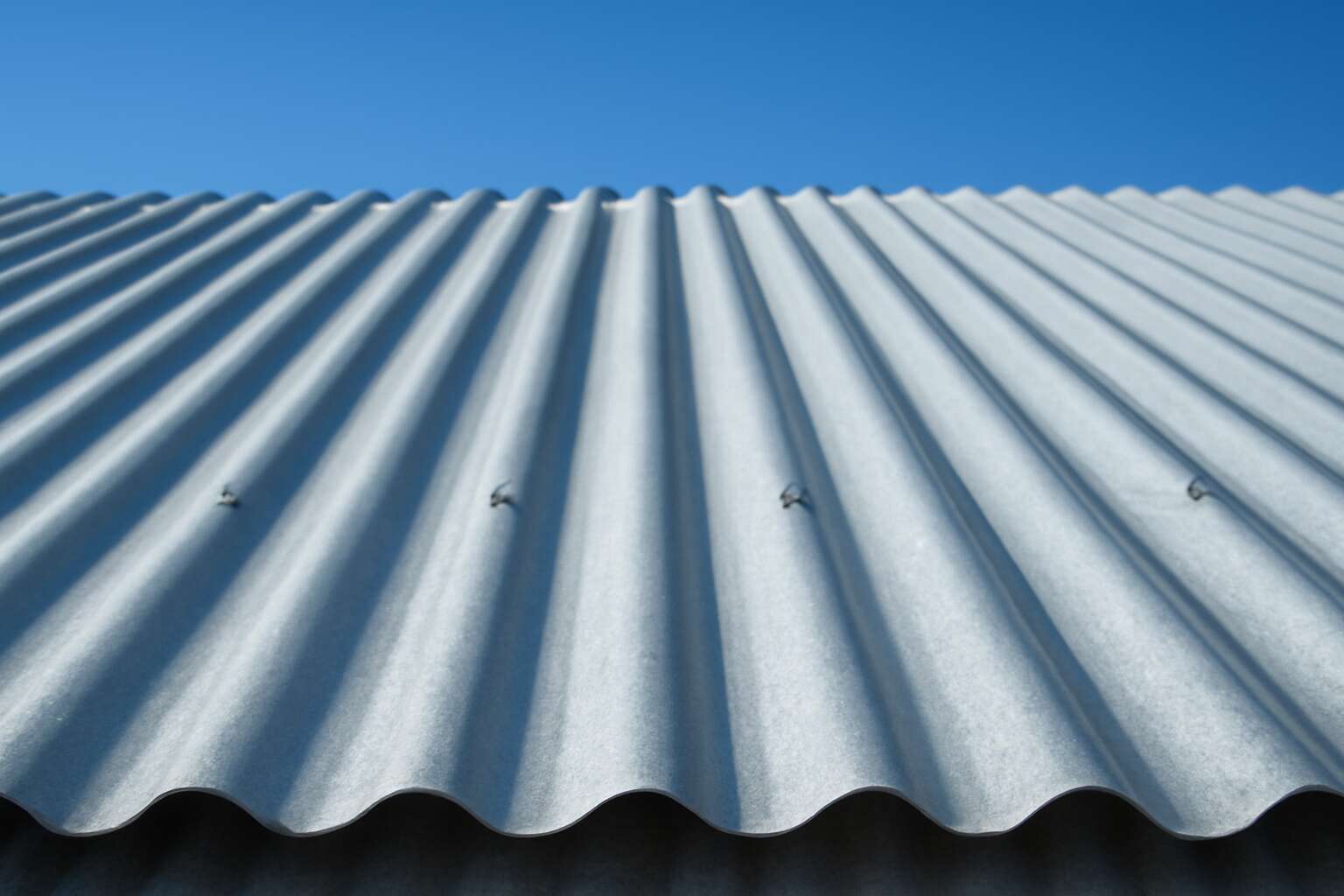
Corrugated Roof Sheet Widths: Essential Concepts
What width means for corrugated sheets
A roof isn’t merely shelter; it’s a measure of a place’s rhythm with weather. In the South African light, the width of corrugated roof sheets becomes a quiet dialogue between design and wind. “Width is where strategy meets weather,” says a seasoned roofer, and the idea sticks.
Nominal width and cover width are not the same. The corrugations, overlaps, and chosen profile shape determine the effective area a roof can protect. This distinction matters for aesthetics and performance alike, shaping how a structure ages under sun and rain.
- The overlap reduces true coverage, affecting appearance and drainage.
- Different profiles shift the cover width even if sheet width is identical.
- Flashing and trimming alter usable width beyond the sheet’s raw measurement.
In SA markets, suppliers standardize widths to streamline installation, yet tolerance ranges remind that every job has a horizon to accommodate. Understanding this width concept helps align expectation with material reality without getting lost in numbers.
Common width standards and regional variations
Width of corrugated roof sheets is a quiet argument between craft and climate, and in South Africa that conversation travels on the wind. The width guides more than shelter; it shapes how light sits on a roof and how a horizon ages under sun and rain. Standard widths give installers a shared canvas, yet the profile—its corrugations, overlaps, and trim—decides the true reach of a roof!
- Common nominal widths include 915 mm and 1000 mm.
- Cover widths vary by profile, typically 800–900 mm.
- Coastal regions may demand extra overlaps and trimming for wind and salt exposure.
Across SA, these variations are a map of region and climate, guiding decisions without breaking faith with design.
Impact of width on installation and overlap
The width of corrugated roof sheets isn’t merely a measurement; it’s the thread that binds light to shadow, wind to shelter, and a skyline to memory. Across South Africa’s sunlit horizons, the width of corrugated roof sheets guides how daylight sits on a roof and how the horizon ages under rain and heat.
Beyond aesthetics, that width determines how panels align with rafters, how overlaps seal against the wind, and how trim lands cleanly. That width affects installation decisions and overlap behavior on site.
- Overlap length and water sealing
- Panel-to-rafters alignment
- Coastal salt and wind considerations
Let it flow across the plan, a quiet map of regions and climates guiding decisions without breaking faith with design.
How to choose the right width for your project
Width of corrugated roof sheets is more than a number; it’s a weather map you walk under. In South Africa’s kaleidoscope of climates, a well-chosen width keeps daylight where it belongs and wind where it should be—outside. “Width is weather in disguise,” says a veteran roofer, and he’s not far wrong.
Beyond aesthetics, the width guides how panels meet supports, how seals survive heat, and how trims land cleanly. Think of it as a handshake that keeps sun and storm at bay; on site, that handshake becomes alignment, seam behavior, and durability across regions. The width of corrugated roof sheets is a concept that travels well across designs.
From the Cape winds to the Highveld sun, the width decides how a skyline ages and how rain patters on tin. Choosing the right width is less about fashion and more about futures—a quiet, practical compromise between shade and shelter.
Standard widths and regional differences
Common width ranges by material type (steel, aluminum, PVC)
South Africa’s rooftop decisions often hinge on a single, quiet detail: the width of corrugated roof sheets. Standard widths shape coverage, seam integrity, and how even light spills across a room beneath. Regional suppliers cling to a few dependable cover widths, preserving consistency from coast to veld. A veteran roofer insists, “Precision in width unlocks a flawless seam,” and that precision begins the moment you sketch the spec for your project.
- Steel: typically around 0.9 to 1.0 meters cover width, with many SA profiles staying near the 915 mm tradition.
- Aluminium: commonly 1.0 to 1.2 meters, offering lighter weight and broader spans.
- PVC: usually 0.9 to 1.0 meters, prized for corrosion resistance and cost.
In practice, that choice travels beyond looks—it’s a decision about installation rhythm and durability, with each material telling its own width story across South Africa.
National vs. international width standards
Rooftop projects across SA show that 62% hinge on one quiet metric: the width of corrugated roof sheets. This single measure governs where daylight spills, how seams breathe, and how a roof settles into a landscape of weathered steel and dusk.
Standard widths drift between national expectations and global templates. Domestically, stockable spans feel familiar under the eaves; international catalogs push broader sheets for longer spans and tougher climates. The rhythm of installation shifts with the width, turning a quiet measurement into a durable signature of craft.
- National norms center on predictable profiles and local stock.
- International ranges open broader spans and varied edge details.
- Every choice tunes seam integrity and the room’s daylight character.
Calculating coverage and overlap
Across South Africa’s townships and coastlines, 62% of rooftop decisions hinge on a single quiet metric: the width of corrugated roof sheets. That width dictates how daylight spills, how seams breathe, and how the roof settles into a landscape brushed by weather and dusk. Domestically, stockrooms favor familiar profiles under eaves, while international catalogs propose broader sheets for longer spans and harsher climates. The rhythm of installation tightens or loosens with the measure, turning a mere width into a craft’s signature.
Calculating coverage and overlap reveals a discreet geometry beneath the poetry. The choice influences overhang, fastening cadence, and seam integrity.
- Coverage vs sheet width alignment
- Overlap, edge detailing, and weather sealing
Regional differences appear as a local conversation—availability, logistics, and the memory of a trusted installer guiding which option feels right. In the spectrum of materials, the width becomes a navigator through daylight, shadows, and the cadence of a completed roof.
Non-standard widths and customization options
Across South Africa, 62% of rooftop decisions hinge on one quiet detail: the width of corrugated roof sheets. That measurement shapes daylight, seam behavior, and how a roof ages under sun, wind, and rain.
Standard widths travel differently by region. Gauteng depots stock familiar profiles, while coastal suppliers balance salt and wind with availability and delivery schedules.
- Regional availability and lead times
- Installer familiarity with profiles
- Edge detailing and seam compatibility
Non-standard widths open customization options for odd footprints and longer spans. Some manufacturers offer cut-to-width sheets, slit edges, or pre-punched holes to preserve weather sealing and fastener rhythm.
Measuring and verifying sheet width
On-site measurement techniques
Across South Africa, mismeasured widths routinely trample efficiency, sapping time and inflating costs. The width of corrugated roof sheets isn’t a mere number on a spec sheet—it shapes every cut, overlap, and alignment decision you’ll make on site.
On the ground, start by validating the sheet against its published width. Take measurements at three representative points along a bay—near the eave, mid-span, and where the sheet meets the next section—to reveal bow, twist, or taper.
Record every figure, compare with supplier specs, and note any non-standard edges or overlaps. This practice protects accuracy and keeps the project moving with confidence.
Tools and best practices for accuracy
Across South Africa, field audits reveal mismeasured widths can drive rework costs by up to 12%. That width of corrugated roof sheets dictates every cut, offset, and seam, and small errors compound quickly on site.
To lock in accuracy, choose reliable measuring tools and a disciplined process. Gather:
- Precision metric tape (minimum 0.5 mm accuracy)
- Laser distance meter for quick span checks
- Straight edge, chalk line, and protective markers
- Measurement log or notebook for calibration notes
Once figures are captured, compare them to supplier specs, note edge conditions, and log deviations. Consistency in measurement prevents delays when installing panels and keeps the project aligned with budget and timeline.
Tolerance and manufacturing variance considerations
Across South Africa, mismeasured widths can drive rework costs by up to 12%, a sobering drumbeat that echoes through every build. The width of corrugated roof sheets is not mere arithmetic; it shapes how light falls on a roof and how seams breathe against the wind.
Measuring tolerance and accounting for manufacturing variance requires a scientist’s patience and a craftsman’s touch. Tolerances are defined in supplier specs, but real-world sheets wander due to rolling heat, edge trimming, and coating expansion. Verify by sampling multiple lengths, checking both sides, and logging deviations to a measurement log.
- Factory variance across batches
- Temperature and humidity during forming
- Edge finish, bevel, and coating consistency
- Roll straightness and alignment
When measurements align with documented specs, the project breathes easier—less misfit, less waste, and a smoother cadence of progress.
Handling mislabelled or damaged sheets
Across SA, mismeasured widths can drive rework costs by up to 12%—a wake-up call that few teams ignore. The width of corrugated roof sheets shapes more than fit; it influences how light falls on a roof and how seams stand up to wind, so measurement is a quiet discipline with loud consequences.
Width verification emerges from sampling several lengths, noting deviations on both sides, and logging them in a measurement log.
- Label accuracy and alignment with order specs
- Edge finish, dents, and trimming anomalies observed at inspection
- Documentation of discrepancies for supplier resolution
Mislabelled or damaged sheets are typically set aside, reasons captured, and replacements coordinated with the supplier. When the width of corrugated roof sheets remains within spec, the project breathes easier and stays on track.
Practical considerations for selecting sheet width
Roof span, pitch, and load implications
Width is not a mere measurement; it’s a structural decision that echoes through every joint. In South Africa’s gusty build sites, aligning sheet width with roof span can trim waste by up to 12%, boosting budgets and performance. Choosing the width of corrugated roof sheets hinges on span, pitch, and load.
Beyond aesthetics, practical width selection affects how the roof spans are loaded and how panels align at seams. The right width supports consistent overlap, reduces field adjustments, and improves long-term durability in hot climates. Consider the following factors:
- Roof span and supporting structure compatibility
- Pitch and drainage, including where overlaps land
- Wind load and uplift considerations typical of SA conditions
Engineering judgments, local codes, and material behavior under heat and expansion shape this choice. In the end, width translates to value, balancing aesthetics with safety and economy across South Africa’s diverse roofscapes.
Aesthetics, wind resistance, and weather performance
In South Africa’s gusty build sites, the width of corrugated roof sheets is a quiet negotiator between spans and wind. Not mere decoration, it guides seam alignment, water drainage, and long-term durability under heat. A well-chosen width makes panels sit coyly and confidently, reducing field finessing while the sun mercilessly expands metal in summer. Flavorful decisions here pay dividends in aesthetics and economy.
Consider these practical factors, framed with discretion and a touch of SA prudence:
- Aesthetics: width that harmonizes with roofline and silhouette
- Wind resistance: consistent overlaps to resist uplift on exposed elevations
- Weather performance: drainage-aligned seams for seasonal rain
Engineering judgments, local codes, and material behavior under heat shape this choice, ensuring that the width translates into lasting value rather than a hastily measured vanity.
Cost implications of width choices
On South African rooftops, money talks softly but clearly. Recent field data shows that about 12% of a roof project can vanish as waste when widths misalign with spans. The width of corrugated roof sheets isn’t vanity; it’s a crucial cost lever that shapes orders, storage, and transport. “Width is the quiet negotiator between budget and performance,” a veteran SA roofer often says. It anchors how panels meet rafters, scales with heat, and stays economical over decades.
- Stock vs. custom widths and pricing
- Waste and trimming costs
- Freight and handling for awkward widths
Seasonal freight cycles and regional availability also sway price per sheet. In markets that favour common widths, buyers gain speed; in smaller towns, non-standard widths can push lead times and surcharges, tipping the balance toward a pragmatic compromise.
Warranty and supplier considerations
A surprising snag in SA roofs: warranty claims spike when the width of corrugated roof sheets isn’t aligned with spans. Practical considerations for selecting sheet width start with how panels meet rafters, account for heat expansion, and minimize on-site trimming. Width is not vanity; it’s the quiet reliability lever that keeps you sealed through seasons and audits.
Warranty and supplier considerations: Seek clear tolerance specs, robust after-sales service, and a warranty that travels with your project, not just the brochure. Regional stock matters—fewer freight headaches, faster fixes, fewer excuses. If you ignore the width of corrugated roof sheets, you invite mismatches that ripple into leaks and warranty disputes.
- Warranty terms and coverage for edge deformation
- Manufacturing tolerances and QC standards
- Regional stock, delivery timelines, and support



0 Comments