Understanding Roof Sheet Handling and Hoppers
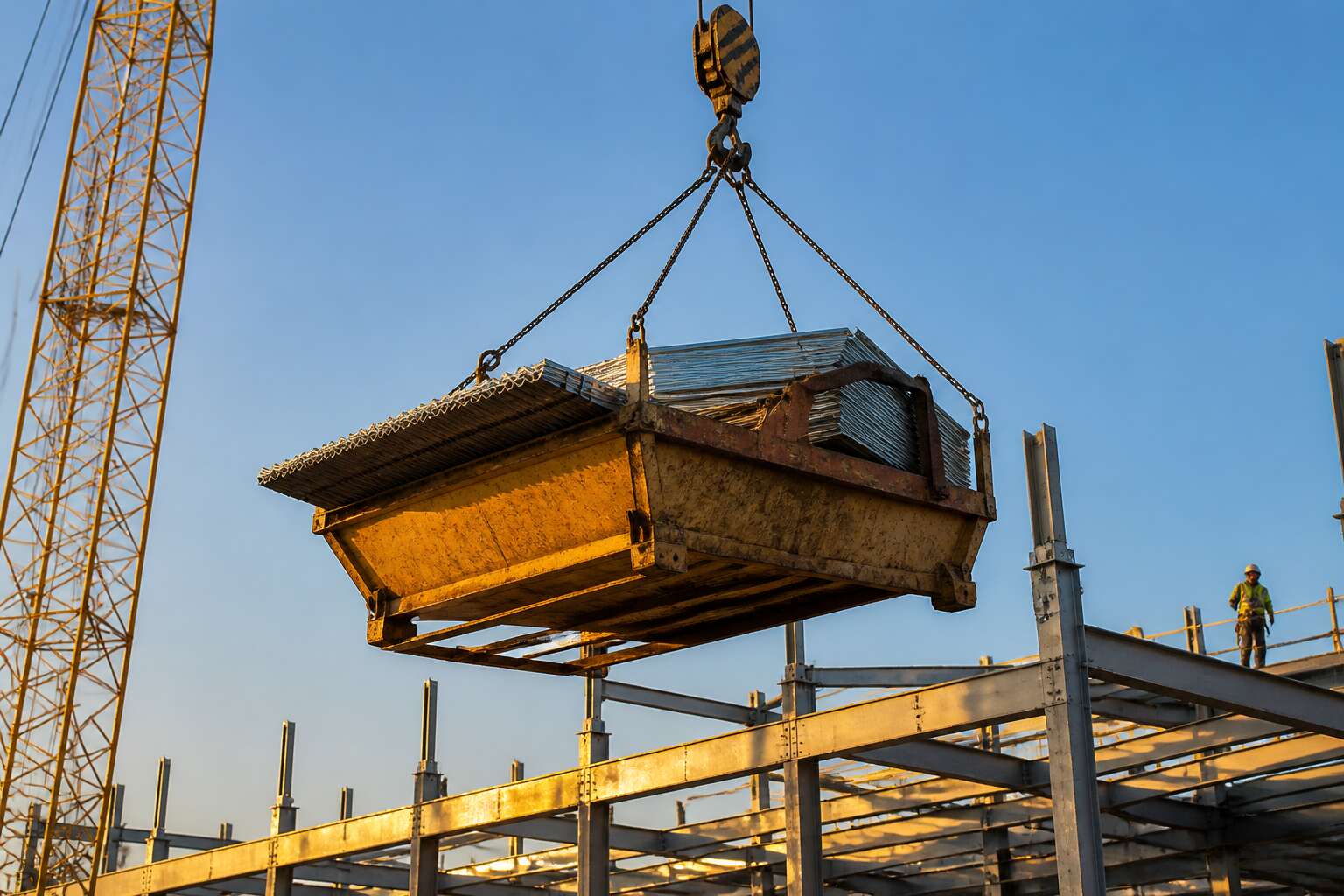
Every builder knows that roof sheets are unforgiving. One wrong lift and you have a twisted panel that costs time and money. Hoppers change that equation entirely. They funnel sheets precisely where you need them, even when the site demands a roof sheets hoppers crossing across a temporary bridge or a narrow walkway.
- Check the hopper’s load rating before moving heavy gauge sheets.
- Secure the sheets with straps to prevent shifting during the crossing.
- Inspect the crossing surface for debris or weak points.
The real skill lies in reading the site. A short, sharp crossing might seem simple, but wind and vibration can turn it into a hazard. Keep your team synchronized and watch the hopper’s balance. It sounds mundane, yet it separates a smooth delivery from a costly mishap.
Essential Equipment for Efficient Sheet Crossing
One loose sheet on a high rise can halt an entire crew for hours. I have seen it happen. In the sheet metal trade, the roof sheets hoppers crossing is where productivity either thrives or dies. So we gear up before the first bundle leaves the ground.
A walking board that matches the roof pitch is non-negotiable. A hopper with a secure clamp system keeps sheets from sliding mid transfer. Add a tag line for the operator and a radio for the spotter below. Simple equipment, but it saves your back and your schedule.
We run this setup on every job:
– A 6 metre hopper with anti slip runners
– Two ratchet straps per bundle
– A magnetic level for alignment checks
Wind causes most of our delays on these sites. Without the right kit, you are gambling with metal and muscle.
Step-by-Step Procedures for a Safe Crossing Operation
On South African construction sites, a roof sheets hoppers crossing demands precision. Nearly half of lifting incidents stem from rushed movement. The operation starts with a full assessment of the ground conditions. Inspect for potholes, water, or loose gravel that could shift the hopper’s balance. Every crew member needs a defined role. The spotter gives hand signals, while the operator focuses solely on the machine. Then, perform a pre-move checklist:
– Engage the hopper’s locking brakes.
– Confirm the roof sheets are bundled evenly.
– Clear the entire walkway of personnel and tools.
– Test the radio communication system.
Crossing proceeds at a walking pace only. The spotter walks ahead, maintaining visual contact. If anything feels unstable, halt immediately. The entire sequence takes less than ten minutes. A calm, methodical rhythm keeps both crew and materials safe.
Safety Protocols and Best Practices
Watching a hopper shuffle roof sheets across a dusty yard is not glamorous. It is a test of patience, nerves, and the integrity of your strapping. In South Africa, the wind adds a wildcard that no site manager can control, only respect.
Safety protocols for a roof sheets hoppers crossing are straightforward, but they demand discipline. You do not get a second chance when a sheet decides to fly.
- Check the hopper’s load rating against the stack’s weight.
- Ban all foot traffic from the crossing zone.
- Use tag lines to guide the load, not human hands.
Treat every crossing like the first one, because complacency is the real hazard. A quick briefing beats a quick prayer.
Maintenance and Troubleshooting of Hopper Systems
Every hour a hopper jams, you lose production and gain frustration. That is why maintenance of roof sheets hoppers crossing systems deserves your full attention, not a quick glance. I have seen crews skip the small checks until a stoppage forces them to act.
Regular inspection of the crossing guides and rollers prevents the most common failures. Look for misalignment, worn edges, and debris buildup. If you notice squeaking or uneven feed, stop and investigate immediately.
- Clean the hopper mouth daily
- Check the crossing sensors weekly
- Lubricate the pivot points monthly
When troubleshooting, start with the easiest fix first. Clear any jammed sheet remnants. Then verify the alignment against the factory specs. Most problems trace back to neglect, not complexity. Fix that and your roof sheets hoppers crossing will run smoother.



0 Comments