
Understanding asbestos-containing roof materials and safety implications
Health risks and exposure pathways from asbestos roofs
Across South Africa’s older suburbs, thousands of homes still rely on asbestos-containing roof materials, keeping the question are asbestos roof sheets safe in constant circulation. When intact, these sheets pose limited risk; the danger rises as they age, crack, or weather. Different asbestos-containing roof materials exist, and condition matters more than the label.
Health risks and exposure pathways from asbestos roofs are real. Inhaled fibers can cause mesothelioma and other serious lung diseases, especially where dust is released during damage or renovation. Understanding these safety implications helps explain why the topic remains sensitive in many communities.
- Damaged or weathered asbestos cement sheets
- Dust from renovations that disturb the surface
- Windborne fibers from loose or leaky roofing
Common types of asbestos used in roofing materials
In South Africa’s aging suburbs, a weathered sheet can hold a lifetime of stories. People still ask, are asbestos roof sheets safe? The answer hinges on the material and its age; intact cement sheets pose far less risk than cracked, weathered edges that crumble with the wind!
Common types used in roofing materials include:
- Chrysotile (white asbestos)
- Amosite (brown asbestos)
- Crocidolite (blue asbestos)
As these materials age, their content and binding within cement influence longevity. The focus is on condition rather than labels; well-preserved sheets blend with drought and sun, while damaged ones demand respectful consideration within communities.
This conversation—woven with memory and stewardship—keeps our homes warm, and I hear the voices of elders who built them, shaping how we understand safety without erasing the history of place.
How to identify asbestos-containing roof sheets
Roofs across aging South Africa suburbs still hold stories under weathered sheets. When people ask are asbestos roof sheets safe, the answer depends on age and condition—intact sheets pose far less risk than cracked edges that crumble in the wind. “Safety is a habit, not a moment,” echoes through these streets.
Understanding asbestos-containing roof materials means looking past labels and watching the material itself. Cement binding changes as sheets age; a well-preserved roof sits in the sun, while weathered edges invite careful assessment.
To identify asbestos-containing roof sheets, observe signs and bring in licensed specialists. The following indicators can guide conversations with professionals:
- Age and installation era hints from the building’s timeline
- Cracks, crumbles, or dust at sheet edges
- Uniform cement-like texture with visible fibre patterns
- Confirmed testing by a certified laboratory
Safety in managing older roofs means professional assessment and clear communication within communities.
Distinguishing asbestos cement from other asbestos-containing products
“Safety is a habit, not a moment.” In South Africa, roofs carry the weather’s memory, and the question are asbestos roof sheets safe—shifts with age and condition. Intact cement sheets shelter homes, while cracked edges whisper caution.
Distinguishing asbestos cement from other asbestos-containing products is a nuanced practice. Cement-bound sheets endure differently from sprayed or insulation-based products, and fibre visibility offers clues to composition.
- Asbestos cement sheets: the structural, cement-bound form
- Other products: loose-fill or sprayed asbestos, insulation and coatings
Cement-bindings change with age; the texture and fibre visibility may guide a cautious assessment.
Professional assessment and laboratory confirmation remain essential; dialogue with licensed specialists respects the material’s history and community safety.
Regulatory framework and when to test
Legal requirements for asbestos in buildings and roofing
In South Africa, the asbestos legacy still whispers from many roofs; as a safety officer notes, “Regulation is not a ban, it’s a shield.” The question “are asbestos roof sheets safe” hinges on whether the right tests and controls exist.
South Africa’s regulatory framework stands as a careful citadel—the Occupational Health and Safety Act—with Asbestos Regulations that require licensed professionals for removal, official testing by accredited labs, and proper disposal at licensed facilities.
When planning work on older buildings or roofing, testing should occur before any disturbance to confirm the presence or absence of asbestos, because legal requirements kick in at first sign of risk.
Key elements of regulation include:
- Testing by accredited laboratories is mandated for asbestos presence
- Removal and handling must be performed by licensed professionals
- Asbestos waste disposal requires licensed facilities
When to commission a formal asbestos survey or testing service
Regulation is not a ban, it’s a shield, says a safety officer. The question of are asbestos roof sheets safe hinges on the strength of tests and the controls that follow.
In South Africa, the Occupational Health and Safety Act and Asbestos Regulations mandate testing by accredited laboratories, removal by licensed professionals, and disposal at licensed facilities. These rules create a clear path from discovery to safe handling.
“are asbestos roof sheets safe” is a question regulators answer with strict testing and controls. When to commission a formal asbestos survey or testing service? Before any disturbance to old roofing, during refurbishment, or when buying or leasing an older property. The following moments often trigger a survey:
- Before disturbing roof materials on older buildings
- During planned repairs or refurbishment
- When acquiring property with potential asbestos-containing material
DIY risks and why professionals are recommended
South Africa’s safety framework acts as a shield, not a ban. The Occupational Health and Safety Act and Asbestos Regulations mandate testing by accredited laboratories, removal by licensed professionals, and disposal at licensed facilities. Taken together, these rules chart a clear path from discovery to safe handling—protection you can rely on!
The question are asbestos roof sheets safe is answered by robust testing and controls. DIY attempts aren’t just risky; they can release fibers into living spaces and breach disposal rules. Sampling, lab analysis, and certified removal are performed by trained professionals under strict regulatory oversight.
Regulators expect a traceable journey from discovery to safe end use: assess, sample, remove, and dispose through licensed channels. That framework reinforces accountability and ensures roofing materials are managed with proper expertise, leaving communities safer and spaces healthier.
What an asbestos survey covers and how results are reported
In South Africa, proper testing and licensed removal dramatically cut asbestos risk. ‘Proper testing saves lives,’ regulators remind us. A clear regulatory path from discovery to disposal ensures oversight by accredited labs, licensed teams, and licensed facilities.
Testing becomes essential when asbestos is suspected or materials age or crack. A formal survey documents discovery, guides sampling, and ensures compliance before work begins.
A survey covers these elements:
- Scope and objectives
- Locations and materials identified
- Sampling plan and methods
- Laboratory analysis and accreditation
- Reporting format and recommendations
Results are delivered as a formal report detailing location, fibre type where known, and risk. It guides next steps and responsible parties. The question ‘are asbestos roof sheets safe’ is answered by certified testing and licensed handling, not guesswork.
Safety management: handling, removal, and containment
Best practices for handling asbestos roof sheets to prevent fibre release
Fibre release from damaged asbestos roof sheets can turn a home into a hazard zone in minutes. In South Africa, many older roofs still rely on asbestos cement, and the question is are asbestos roof sheets safe. The answer hinges on sound safety management—especially how handling, removal, and containment are planned and executed.
Key considerations include containment, professional handling, and licensed disposal. To prevent fibre release, focus on avoiding disturbance of materials and ensuring work areas are controlled.
- Containment and isolation of the work zone to limit dust movement
- Engagement of trained professionals with access to licensed removal services
- Waste handling and disposal through licensed facilities in line with SA regulations
Ultimately, safe management means professional involvement and strict adherence to local regulations. By treating every project as potentially hazardous, South African property owners protect residents and workers alike, while keeping the roof’s legacy from becoming a public health concern.
Removal options: encapsulation vs complete removal
Fibre release can happen at the slightest disturbance, and many South African homes still face the asbestos roof question: are asbestos roof sheets safe? Safety management hinges on containment, professional handling, and licensed disposal, not guesswork. A controlled work zone minimises dust spread and protects residents and workers.
Removal options: encapsulation vs complete removal.
- Encapsulation — a licensed pro seals the asbestos cement to trap fibres and keep the roof in place.
- Complete removal — the sheets are carefully taken away and disposed of at a licensed facility in line with SA regulations.
Engaging experienced teams ensures compliance with local rules and safeguards long-term health while preserving the building’s integrity.
Choosing a licensed contractor: qualifications and questions to ask
Fibre release can follow a light touch—or a misstep. When old roofing is disturbed, dust travels and tiny fibres can settle where you live and breathe. The question remains: are asbestos roof sheets safe. Safety hinges on containment, professional handling, and licensed disposal, not guesswork. A controlled work zone minimises dust spread and protects residents and workers.
Handling, removal, and containment must be guided by a licensed contractor who uses wet methods, proper sealing, and dust suppression. The contractor should isolate the work area, employ appropriate PPE, and monitor ambient air. This disciplined approach safeguards long-term health and the building’s integrity.
Choosing a licensed contractor: qualifications and questions to ask.
- Are you licensed to handle asbestos?
- Which disposal facility will you use?
- Can you provide risk assessment and method statement?
- How many similar SA projects have you completed?
Costs, timelines, and planning for asbestos roof work
In my experience, safety management for asbestos roof work begins with a disciplined handling, removal, and containment plan. A rigorous approach reduces dust migration, protects workers and residents, and clarifies who bears the costs of dust suppression and air monitoring. Costs accumulate from containment barriers, wet methods, PPE, waste packaging, and licensed disposal, but they pay dividends in safety and project continuity!
As practiced, many South Africans wonder, are asbestos roof sheets safe, and the answer rests on licensed teams and transparent monitoring. A licensed contractor will isolate the work area, use wet methods, and keep ambient air within strict limits so that everyone sleeps a little easier at night.
To help planning, consider these elements:
- Cost considerations: permits, containment, waste disposal
- Timeline factors: weather windows, scaffold setup, and inspection intervals
- Planning details: site isolation, signage, and occupant communication
Alternatives and post-removal considerations
Safe roofing alternatives to asbestos-containing sheets
The burning question remains: are asbestos roof sheets safe. In South Africa, concern about indoor air and outdoor dust keeps homeowners awake at night, even when panels look weathered yet solid. Alternatives exist that marry durability with a modern aesthetic, changing the roofline without letting risk linger.
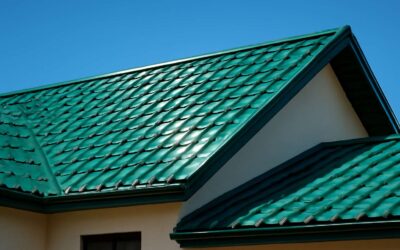
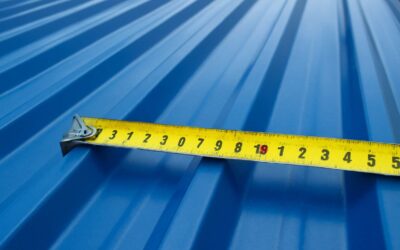
Safe roofing alternatives to asbestos-containing sheets include metal options that hold up in SA’s climate, non-asbestos fibre cement, and classic tiles.
- Colorbond or zincalume steel roofing
- Non-asbestos fibre cement sheets
- Clay or concrete tiles
- Polycarbonate or other light-diffusing panels for skylights
Post-removal considerations shift the spotlight to disposal, regulatory safeguards, and long-term risk management—ensuring the site stays free from stray fibres while the new roof settles into daily life.
Disposal and waste management regulations for asbestos
Disposal and waste management regulations for asbestos are not a footnote; they anchor the entire project. The haunting question, are asbestos roof sheets safe, is answered by strict containment, licensed removal, and official disposal pathways rather than dusty folklore.
Key disposal considerations include these pillars:
- Engage a licensed asbestos abatement contractor with South African registrations.
- Dispose of asbestos waste at an approved facility; retain disposal certificates.
- Maintain a waste manifest and sign-off documents for audits.
- Follow local by-laws and environmental safeguards throughout the process.
Post-removal, the site should settle into daily life with a renewed calm: thorough clean-up, a safe new roof, and ongoing risk management through routine inspections.
Post-removal clearance testing and documentation
“Proof over fear,” a licensed inspector told me once. The question of safety lingers long after the last panel is removed. When we weigh alternatives and post-removal considerations, true reassurance comes from verifiable results, not folklore. Are asbestos roof sheets safe? It’s answered by accredited tests and transparent records, not bravado; clearance testing marks the boundary where risk finally recedes.
- Air clearance test results
- Final disposal certificates
- Site sign-off documentation
Post-removal, the site returns to daily life with documented proof and renewed calm. The official results serve as a shield for the future, guiding routine inspections and ongoing risk management without recriminations or guesswork.
Impact on property value, insurance, and future maintenance
Alternatives after removal shape the property’s future as surely as weather sculpts a coastline. The lingering question are asbestos roof sheets safe rests on proof, not bravado, and becomes quieter when accreditations line the file. A site cleared with certified results invites trust from buyers and lenders, offering a clear path to ongoing maintenance rather than fear.
- Impact on resale value and market confidence
- Insurance premiums and insurer appetite
- Maintenance cycles and long-term warranties
With that clarity, owners plan routine checks, encapsulation or replacement strategies, and a future where risk is managed rather than felt as a shadow over every decision!


0 Comments