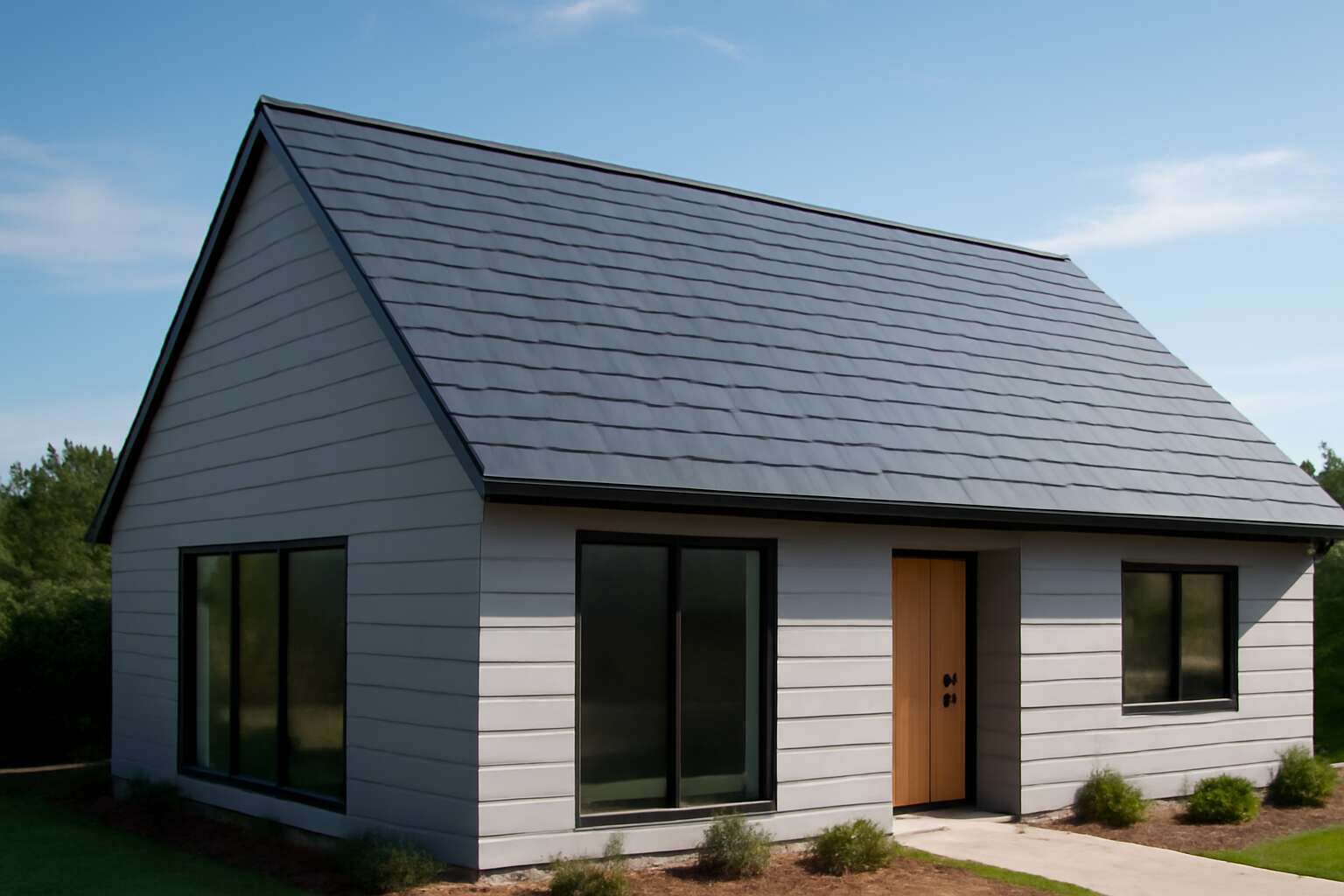
Material overview and value of fiber cement roofing materials
Material composition and key properties
Sunlight slashes across a South African homestead, and a roof that endures is more than shade—it’s a quiet covenant. In this country, fiber cement roof sheets can last 40 to 50 years with proper care, a testament to resilience under sun and rain. The material blends cement, cellulose fibers, and silica into a sturdy panel—rigid, yet forgiving when the weather shifts.
- Durability in South Africa’s climate
- Lightweight design that eases installation on aging structures
- Low maintenance and weather resistance
- Variety of profiles and colours to suit any home
Material composition and key properties flow from this blend: cement provides strength; cellulose fibers cushion against cracking; additives boost fire resistance, mould suppression, and UV stability. The result is low moisture absorption, excellent wind resistance, and enduring value—a roof that keeps homes comfortable through seasons while lowering long-term maintenance costs.
Materials used and manufacturing basics
South African roofs weather the arithmetic of seasons, not merely weather. fiber cement roof sheets endure as quiet witnesses to family life, often lasting 40 to 50 years with proper care.
Material overview and manufacturing basics reveal a deliberate, almost patient craft. A cementitious matrix is formed, reinforced with fibers and silica, pressed into profiles, and cured to become a rigid, resilient panel. Materials at heart include:
- Cementitious binder
- Reinforcing fibers
- Silica additives
- Water and curing agents
Durability and design come together in a product that handles sun and rain without demanding constant attention. Lightweight installation, low moisture uptake, and wind resistance translate into real life savings and steady performance through seasons.
Perhaps the most human signal is the calm certainty that a roof can outlast the season’s fiercest glare and the next flood—a quiet pledge to shelter, value, and shared futures.
Benefits vs. alternative roof coverings
SA rooftops tell stories of sun and storm; a roof that outlasts the season is a quiet bargain. fiber cement roof sheets commonly endure 40 to 50 years with proper care, delivering lasting value and predictable protection for families across townships and suburbs alike.
Compared with asphalt shingles, metal panels, or clay tiles, this material offers a compelling blend: longer life, steadier performance in heat and wind, and less upkeep over decades. The result is fewer replacements and steadier budgets, a practical edge for both new builds and renovations.
On a windy Cape afternoon or a sunlit Jo’burg morning, that steadiness feels personal. For homes across SA, fiber cement roof sheets offer a balanced choice—durability you can trust, style you can live with.
Common installation scenarios and applications
Across SA’s sun and storms, durability is a story you want your roof to tell for decades! Fiber cement roof sheets commonly endure 40 to 50 years with proper care, delivering lasting value and predictable protection for families across townships and suburbs alike.
Value here goes beyond raw strength. They pair well with contemporary lines and earthy tones, resisting heat and wind with minimal upkeep. In practice, installation fits a range of projects:
- New-build suburban roofs where longevity matters
- Renovations seeking a durable, low-maintenance upgrade
- Rural or coastal sites with changing weather patterns
These applications highlight how a practical material can thread style and resilience through the fabric of a community.
Durability, weather resistance, and performance
Resilience to weather and climate
Fiber cement roof sheets can last up to 50 years in the African climate, a stark contrast to cheaper options that crumble long before their time. This durability comes from a thoughtful balance of cement, sand, and cellulose fibers that weather sun, rain, and time with quiet confidence.
Weather resistance and performance resilience are not accidents—the material shrugs off heat, resist cracking under sun exposure, and remains stable through sudden storms. Key advantages include:
- Robust hail and impact tolerance
- Low moisture uptake and warp resistance
- UV stability that guards color and strength
Across South African landscapes, these sheets offer dependable shelter where wind and climate test even sturdy homes—the kind of reliability that lets families sleep easier at night.
Fire resistance and safety certifications
Across South Africa, a roof that endures is a quiet triumph over the elements. Fiber cement roof sheets can last up to 50 years in our climate, a testament to purposeful composition—cement, sand, and cellulose fibers—that weather sun and rain with disciplined ease. These sheets shrug off heat, resist cracking, and keep color intact!
Fire resistance and safety certifications elevate that resilience from stubborn toughness to assured protection. In my projects, these standards guide every specification.
- Non-combustible performance with EN 13501-1 A1 rating
- Independent fire testing and SANS-compliant certification
- Quality management and environmental standards supporting durability (ISO 9001/14001)
With these credentials, the product stands as a reliable shield for homes across the plains and coastlines.
Beyond fire safety, the material’s hail tolerance, low moisture uptake, and UV stability ensure performance under pressure, preserving structure and color through South Africa’s changing skies.
Longevity and warranty considerations
Durability isn’t flashy; it’s a quiet promise! In the SA climate, fiber cement roof sheets have earned that promise by standing up to sun, rain, and the occasional tropical storm. They age gracefully, keeping color and texture intact long after the first heatwave has faded from memory.
Longevity is built into the composition and the way these sheets move with the wind. I’ve watched them weather coastal humidity and inland heat alike, with minimal chalking and cracking. Warranty considerations follow suit: broad coverage, transferability, and defined service periods provide lasting peace of mind.
- Coverage duration across climates
- Transferability to new owners
- Maintenance expectations and inspection windows
Across SA homes, this blend of resilience and predictability makes these roofs a steady guardian against the changing skies.
Impact resistance and maintenance needs
South Africa endures more than 1,500 hours of bright sun each year, and fiber cement roof sheets stand up to that glare with quiet fortitude. Durability isn’t loud; it’s a steadfast vow—color and texture that stay sharp long after the first heatwave has faded.
Weather resistance is built into their grain. A mineral-rich matrix resists moisture uptake, minimizes chalking, and keeps edges true in coastal winds and inland storms alike.
- Impact resistance: handles hail and bumps that would mark weaker materials
- Maintenance needs: minimal upkeep—seasonal inspections, gentle cleaning, and gutter care
- Inspection cadence: annual visual checks with professional reviews every few years
All told, this blend offers a reliable mix of strength and low-maintenance beauty, aging with grace as it stands guard against SA’s changing skies.
Environmental conditions and installation tips
Durability is the quiet hero you notice only when it counts. Fiber cement roof sheets shrug off SA’s brutal sun and dramatic temperature swings, maintaining their form and color longer than a trend you can’t quit. Reliable, steady, and unfazed by heat—it’s the roof’s best supporting actor. Trust me, I’ve installed enough of them to know their patience pays off.
Weather resistance? Built to endure SA’s mixed climate. These sheets shrug at humidity, salt spray, and inland gusts, keeping panels aligned and finishes looking sharp. They don’t swell or warp, which means fewer surprises in the rainy season and fewer touch-ups after a storm.
Installation tips for fiber cement roof sheets in SA: prepare a clean, solid substrate; fix with corrosion-resistant screws and neoprene washers; and leave expansion gaps for thermal movement.
- Corrosion-resistant fixings with neoprene washers
- Expansion gaps and staggered joints
- Follow manufacturer laps and sealants
Installation, maintenance, and compatibility
Preparation and substrate requirements
Fiber cement roof sheets rise to the occasion in a climate that prizes endurance: South Africa averages around 450 mm of rainfall in many regions, while gusts can test any surface. These sheets offer a steady balance of durability and aesthetics, standing up to sun, rain, and wind without fanfare.
Preparation and substrate requirements set the stage. Substrates must be clean, dry, and flat; inspect for rot or corrosion; timber should be within recommended moisture content; ensure a solid underlayment; and plan for expansion gaps.
- Substrate: clean, dry, flat, and sound
- Moisture: timber within recommended content
- Fixings: corrosion-resistant fasteners, installed per manufacturer
Maintenance includes periodic checks after storms, debris removal, and a gentle wash with a soft brush; avoid high-pressure cleaners that damage edges. Fiber cement roof sheets maintain their look when edges and seals are kept intact, and they remain compatible with flashing and insulation strategies for durable, leak-free performance.
Tools and installation methods
On South Africa’s sun-scarred horizons, installation is a quiet rite of endurance. In SA, many regions receive around 450 mm of rain annually, reinforcing that fiber cement roof sheets demand lines that are true: straight courses, even gaps, and a clean, prepared substrate that listens to the breeze. When alignment is flawless, the roof shrugs off sun and rain, keeping its lines sharp and its spirit undimmed year after year.
- Measuring tape and chalk line for precise alignment
- Drill/driver with the correct bit and driver settings
- Manufacturer-approved fasteners and compatible sealant or flashing components
- Level and square to verify corners and edges
- Safety gear, gloves, and a stable ladder for secure handling
Compatibility with flashing details and insulation strategies is essential. Edge finishes, sealants, and expansion gaps should harmonize with the chosen system to maintain a durable, leak-free silhouette through storms and sun alike.
Maintenance routines and cleaning tips
South Africa’s storms don’t forgive sloppy roofs. Regular checks keep fiber cement roof sheets performing year after year, especially at ridges and gutters. Seasonal walks tighten screws, inspect seals, and clear debris to prevent leaks and maintain clean lines.
Cleaning relies on a soft brush or sponge with mild soap; rinse with a gentle flow and let rain do most of the work. A low-pressure washer is acceptable sparingly, but distance from flashing should be maintained to avoid water intrusion.
Compatibility with flashing details and insulation strategies is essential. Ensure edge finishes and sealants harmonize with the chosen system; maintain expansion gaps to absorb temperature changes and storms across SA.
Repair and replacement considerations
Storm season in South Africa delivers a blunt truth: roofs endure or fail. Insurers report that nearly half of weather-related claims trace to flashing and sealant weaknesses. Installation choices carry weight—each seam writes the house’s defense against the next downpour.
Choosing fiber cement roof sheets means weighing how the panels meet flashing details and insulation strategy. The dialogue centers on expansion gaps, wind-driven moisture, and temperature shifts across SA. When these factors align, curb appeal stays sharp and maintenance stays sensible.
- Substrate integrity in replacement sections
- Color and profile matching with existing sheets
- Warranty terms for flashing and resealing
Repair and replacement are about continuity—preserving protection and the roof’s quiet confidence.
Design options, colors, and architectural compatibility
Color palettes and finishes
<p Across South Africa's diverse climates, design options for fiber cement roof sheets invite a roofline to rhyme with a home's character. From quiet, weathered neutrals to bold architectural statements, color choices can elevate curb appeal and influence how light plays across rooms!
Color palettes and finishes extend far beyond plain gray. You can explore cool slate, warm terracotta, stone neutrals, or deep blues, with finishes in matte, satin, or lightly textured to echo woodgrain or limestone.
- Earthy neutrals and mineral tones
- Rich charcoals and deep blues
- Soft whites with warm undertones
- Accent colors for trims or features
Architectural compatibility shines—from traditional Cape Dutch silhouettes to sleek modern lines. The material harmonizes with pitched and low-slope roofs, pairing with bold eaves, horizontal cladding, and solar integration for a cohesive streetscape.
Texture and profile options
Design options for South Africa’s climates invite a roof that pairs architecture with weather-worn wisdom. With fiber cement roof sheets, you access a spectrum of forms that complement everything from modern glass-box homes to hillside cottages. “Durability is the quiet champion,” notes a master roofer, aging with dignity. Colors range from charcoal to warm timber, and the lines of the roof should echo the building’s silhouette rather than compete with it.
Texture and profile options transform a simple covering into a character piece. Choose a texture that speaks to your design while performing under sun and rain:
- Smooth panels for a contemporary, reflective finish
- Wood-grain textures that mimic timber with zero maintenance
- Slate-like or ribbed profiles for added shadow and rain shedding
These choices ensure architectural compatibility across homes, townhouses, and courtyards, from Durban’s coast to Johannesburg’s terraces, with fiber cement roof sheets standing as a quiet guardian.
Architectural style compatibility
Roof design in South Africa isn’t just about keeping the rain out—it shapes the very first impression of your home under the sun. A master roofer quips, “Durability is the quiet champion,” and fiber cement roof sheets keep that promise with a straight face. When color and form align, these sheets become architecture-friendly chameleons.
Color choices set the mood, from charcoal to warm timber, helping the roof echo the building’s silhouette rather than compete with it.
- Charcoal for modern, sun-smart contrast
- Warm timber tones for coastal warmth
- Slate greys for urban sophistication
- Neutral stone to blend with landscape
Architectural style compatibility spans sleek contemporary boxes, hillside cottages, and intimate courtyards, all grounded by fiber cement roof sheets. The roof profile should mirror the building’s outline, ensuring harmony from Durban’s coast to Johannesburg’s terraces.
Insulation, ventilation, and roof system integration
Sun-smart construction hinges on more than curb appeal. With design options spanning modern lines to contoured silhouettes, fiber cement roof sheets adapt without shouting. A profile that mirrors the building’s outline lets Durban’s coast and Joburg terraces breathe in harmony!
Color is architecture’s handshake with light. Charcoal for modern contrast, warm timber tones for coastal warmth, slate greys for urban sophistication, or neutral stone to blend with the landscape—these choices help the roof echo the silhouette rather than compete with it.
- Profile alignment with the building’s massing
- Hidden fixings for clean, uninterrupted lines
- Solar mounting and ventilation integration ready surfaces
Insulation and ventilation complete the system. Breathable barriers and under-roof insulation curb heat transfer, while deliberate ventilation strategies prevent condensation and prolong the life of fiber cement roof sheets. Seamless roof system integration—flashings, gutters, and attic connections—ensures dependable performance across South Africa’s varied climates.
Cost, value, and sustainability considerations
Pricing ranges and budgeting tips
“A roof is a test of whether a home will last,” a veteran contractor once told me. Cost matters, but it isn’t everything. fiber cement roof sheets typically price material-wise around R120–R320 per square meter, with installed prices ranging roughly from R300–R600 per m² depending on profile, coating, and access. That upfront-versus-long-term balance makes them a practical option for projects that demand reliability in South Africa!
Value is more than the sticker price. fiber cement roof sheets give you longevity and lower maintenance—fewer repaint cycles and less rot or pest risk—lowering life-cycle costs. Sustainability matters: cement-based products use less timber, can include recycled content, and are recyclable at end of life where facilities exist. For budgeting, weigh total cost of ownership, lead times, transport, fixings, and warranties to secure a durable roof that withstands SA conditions.
Lifecycle costs and return on investment
Roof ROI shines when you look beyond the sticker price. Fiber cement roof sheets deliver longer life and fewer maintenance cycles, translating into real savings over a home’s lifetime.
In South Africa’s climate, durability matters. These sheets resist rot, pests, and harsh sun, lowering upkeep and the risk of costly repairs. They also offer a more sustainable profile: cement-based products use less timber, can include recycled content, and are recyclable at end of life where facilities exist.
Return on investment hinges on lifecycle performance, not just upfront cost. Consider installation speed, warranties, and the cost of future repairs when assessing value.
- Lower lifecycle costs through extended service life
- Reduced maintenance and repaint cycles
- Reduced environmental footprint via recycled content
- End-of-life recyclability where facilities exist
Sustainability and recycled content
Rooftops tell stories through sun and season, and in South Africa the cost of a roof is measured in decades of resilience, not the sticker price. Fiber cement roof sheets deliver a compelling blend of durability and value, standing up to sun, rain, and pests with calm confidence.
Long-term value shows in fewer interruptions to daily life and a steadier budget. The extended service life of fiber cement roof sheets delays replacements and softens life-cycle costs, while a lower maintenance cadence preserves the peace of a busy home.
Consider these sustainability facets:
- Lower timber demand in construction, supporting forests and related industries
- Recycled content integrated where feasible to curb waste
- End-of-life recyclability where facilities exist in SA
These choices matter. Sustainability and recycled content are woven into the fabric of fiber cement roof sheets, helping shrink the footprint while keeping roofs robust.

0 Comments