Understanding Asbestos Roofing Materials
What Are Asbestos Roofing Sheets?
Common Applications in Construction
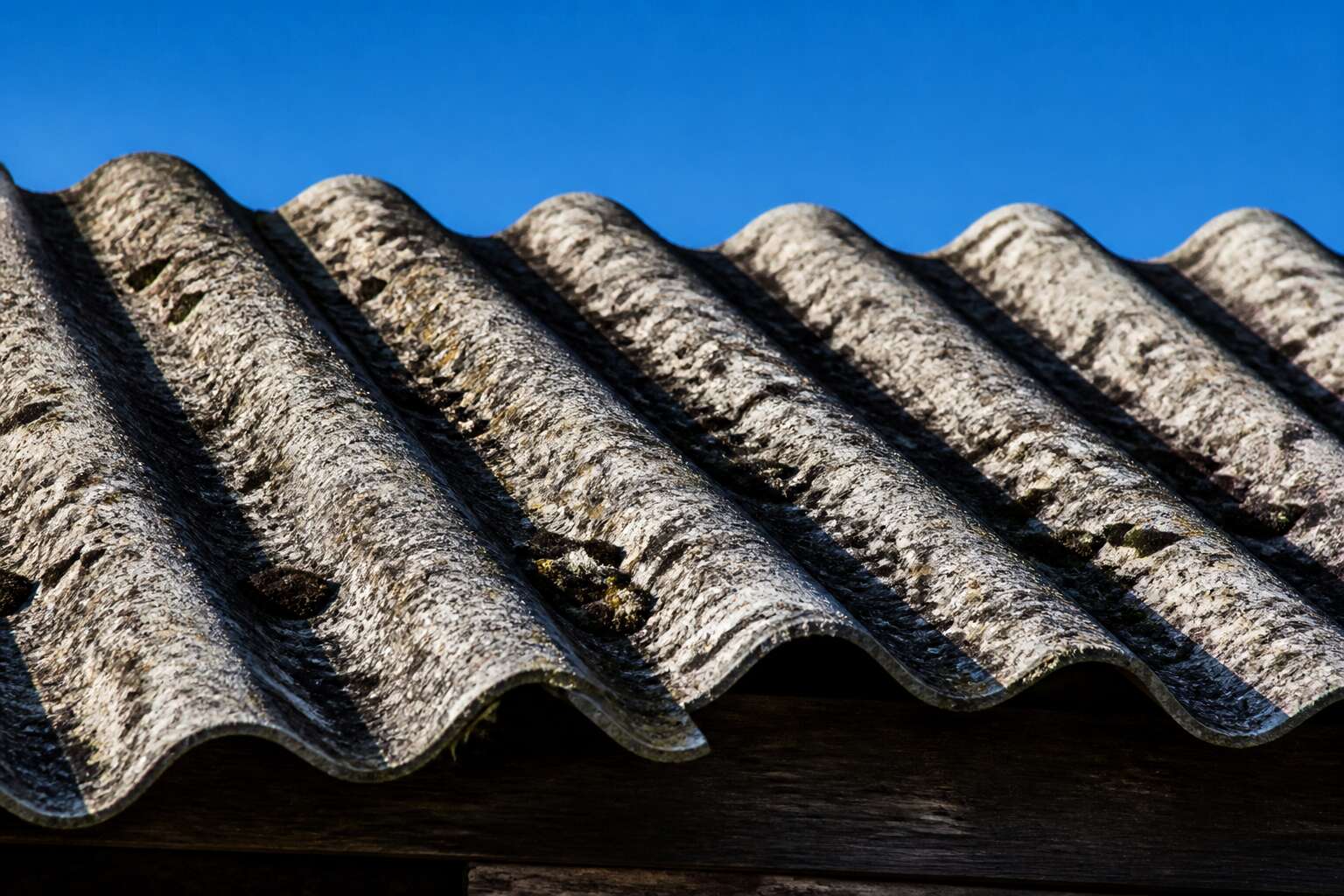
It is a familiar sight across the South African landscape: grey, corrugated roofs on warehouses, farm sheds, and older school buildings! Many property owners assume these are harmless, yet the material underneath is a dense cement composite reinforced with microscopic asbestos fibers.
Understanding asbestos roofing materials starts with their composition. The sheets are made by mixing asbestos fiber, typically chrysotile or amosite, with Portland cement and water. This created a rigid, fire resistant board that could be nailed, cut, and painted. It was cheap, strong, and readily available, which made it the default choice for large scale projects from the 1950s through the 1980s.
Common applications in construction included:
- Industrial plant roofs and cladding
- Agricultural sheds for poultry and cattle
- Low cost housing and municipal buildings
Even today, any building site manager who encounters old roof sheet asbestos must plan for careful handling and professional removal.
How to Identify Asbestos in Roofing
A 30 year old corrugated roof in Mpumalanga will either be rust, rust with paint, or a mysterious grey board that refuses to rust. That refusal is your first clue. Roof sheet asbestos does not corrode; it grows a white, fuzzy efflorescence where water beads on the surface.
Let me walk you through the physical inventory:
- Check the underside for a manufacturer’s stamp like Everite or Turnall.
- Tap the sheet. Asbestos cement emits a sharp ring; modern fibre cement sounds flat.
- Scrape a hidden corner and hold the scrap to light; asbestos fibres appear silky and straight, not woolly.
These clues point toward roof sheet asbestos, but they do not prove it. Laboratory analysis of a sample is the only verdict that holds up in a court of law or an insurance claim.
The History of Asbestos Use in Buildings
The history of asbestos in construction is a story of industrial ambition colliding with public health. For much of the 20th century, this mineral was hailed as a miracle material, a fireproof and durable solution for modern building needs. South Africa, once a leading global producer of the fibre, saw its domestic architecture transformed by the substance. From the 1940s through the 1980s, the material became ubiquitous, particularly in the form of corrugated panels used for agricultural, industrial, and residential roofing.
The widespread adoption was driven by economics and necessity. The material was cheap to produce, easy to install, and offered exceptional longevity against harsh weather conditions. In a market where affordable housing was a national priority, the cost-effectiveness of this product was almost unbeatable. However, the very properties that made it ideal for roofing, its strength and resilience, were the same properties that made it dangerous when disturbed. The fibres are incredibly fine and durable, and once inhaled they can remain in the lungs for decades.
While the raw mineral was used extensively, the manufactured product, often branded under names like Everite and Turnall, became a household standard. The legacy of those years is still visible across the country, with countless buildings still sheltered by this material. For many property owners, the distinction between a more modern fibre cement sheet and a vintage asbestos one is unclear. This confusion perpetuates a silent risk, as the older material becomes brittle and friable with age, releasing hazardous dust into the environment.
It was only in the late 20th century that the full extent of the health risks, including mesothelioma and asbestosis, became undeniable. This led to a global reassessment of the product. The subsequent ban on new asbestos mining and manufacturing in South Africa, which solidified in the early 2000s, did not erase the past. It created a landscape where millions of square meters of legacy roofing still exist, requiring careful management. Understanding this historical timeline is essential for anyone facing a roof replacement today, as it provides the context for why the material is handled with such stringent legal and safety protocols.
Health Hazards Associated With Asbestos Roofs
Why Asbestos Is Dangerous
Beneath a facade of corrugated strength, a darker legacy often lingers. Once hailed as a miracle of construction, this material hides a fatal secret that becomes apparent only decades after installation. The very fibers that granted it durability are the same ones that make roof sheet asbestos a significant concern for homeowners and contractors alike. When these sheets degrade, or are cut, drilled, or disturbed, microscopic needles escape into the air, waiting for a single breath.
The danger is a slow, creeping invader. Unlike immediate toxins, asbestos fibers embed deep within the lungs, causing inflammation that scars tissue over time. This condition, known as asbestosis, robs the lungs of their elasticity, turning every breath into a laborious effort. The silent incubation period can last anywhere from ten to forty years, meaning the homeowner who purchased a property yesterday might be facing a biological time bomb set long ago.Contractors and DIY enthusiasts face the highest risk simply because they are most likely to disturb the material. The worksheets of older South African homes are often prime suspects. It is crucial to understand the specific threats presented:
- Pleural plaques, which are a thickening of the lining around the lungs.
- Lung cancer, with the risk compounded if the individual smokes.
- Mesothelioma, a rare and aggressive cancer that attacks the abdominal lining or the heart’s protective sac.
These are not mere warnings; they are the clinical realities of exposure. The structural integrity of the roof offers no protection once the fibers are released. It is the airborne aspect of roof sheet asbestos that makes it insidious, a threat that is invisible and odorless until the biological toll becomes impossible to ignore.
Health Conditions Linked to Exposure
The National Institute for Occupational Health records show that even low-level, intermittent exposure to roof sheet asbestos carries measurable harm. The dose required to trigger disease is startlingly small. Each disturbance of a friable sheet adds to a lifetime burden that cannot be undone.
- Diffuse pleural thickening, which restricts lung expansion and causes breathlessness during routine exertion.
- Asbestos-related lung carcinoma, with risk escalating sharply in smokers.
- Peritoneal mesothelioma, which develops when swallowed fibers migrate from the airways to the abdominal cavity.
These diseases share a troubling pattern. They surface only after a latency of two to four decades. The corroded roof patched last winter might produce a diagnosis long after the property changes hands. I have seen homeowners assume a damaged sheet is merely an aesthetic problem. The hazard of roof sheet asbestos is not the sheet itself. The hazard is the slow accumulation of every fiber breathed.
Risk Factors for Homeowners and Workers
One roof sheet asbestos exposure event can seed decades of future illness, and the statistics for South African homeowners are sobering. Roughly 60% of properties built before the 1980s contain some form of asbestos cement, much of it in roofing. The risk is not simply being near the material. The risk materialises when that roof is drilled, cut, or merely corroded by acid rain.
For the homeowner, the danger is often invisible. Windblown fibres settle in gutters, gardens, and ceiling voids. Children playing in a yard below a weathered roof can disturb fallen debris without anyone noticing. The sporadic removal of a single sheet creates a contamination path that is hard to trace but easy to inhale.
Workers face a different equation. While the homeowner might touch a roof once a year, contractors and handymen carry a cumulative burden. Consider the trades specifically at risk:
– Roofers replacing entire sections of corrugated iron.
– Plumbers cutting holes for vent pipes or solar panels.
– Electricians drilling through ceilings for new wiring.
– Demolition crews breaking sheets into manageable pieces.
Each task turns a stable, sealed asbestos layer into a cloud of respirable dust. Regulations require protective gear and wetting procedures, but enforcement is sporadic across the country. A worker might complete ten jobs without issue, then face a diagnosis fifteen years later. The true cost of roof sheet asbestos is never paid at the moment of removal. It is paid in a clinic room, long after the invoice is forgotten and the project is signed off. No amount of paint or sealant changes that chemistry. Only vigilance does, and even then, the sheets ask for complete respect. The man who treats it like ordinary fibreglass will likely never know his mistake until it is too late to correct.
Recognising Symptoms of Asbestos-Related Diseases
The body gives no warning when asbestos fibres land in the lungs. A roofer who handled roof sheet asbestos in the 1980s may not feel the first symptom until retirement. That delay is a real hazard, because early signs mimic common ailments and get dismissed as age.
Symptoms of asbestos-related disease appear gradually. The medical literature points to a consistent pattern, one I have seen repeated across decades of case files:
- A dry cough that never quite clears.
- Shortness of breath during tasks that used to be easy.
- A persistent tightness in the chest.
- Fingertips that swell or curve outward, a sign called clubbing.
Anyone who has lived beneath weathered roof sheet asbestos finds this easy to ignore. Yet the clinical reality is stark. By the time a chest X-ray reveals pleural thickening, the calcified scars have often been forming for twenty years. Early recognition changes the calculus of treatment, but it cannot undo the damage.
Legal Regulations and Asbestos Roof Management
Government Guidelines for Asbestos Roofs
South Africa’s asbestos laws changed dramatically in 2020, yet many property owners remain unaware of their duties. The management of roof sheet asbestos now falls under the Asbestos Abatement Regulations, enforced by the Department of Employment and Labour. These guidelines impose clear obligations. Any roofing suspected of containing asbestos must be assessed by a competent person before maintenance or demolition starts.
The law also demands regular condition monitoring. If roof sheet asbestos shows weathering or damage, an asbestos removal permit becomes mandatory, and waste must go to a licensed hazardous disposal site.
Key obligations under South African law include:
- Commissioning an asbestos survey before renovations
- Keeping a written inventory of asbestos containing materials
- Providing workers with adequate respiratory protection
- Notifying the provincial director before removal projects
Non-compliance attracts heavy fines and possible imprisonment.
Landlord and Employer Responsibilities
The legal landscape for property owners in South Africa shifted decisively in 2020, placing a significant burden on those who manage older buildings. Imagine a landlord inheriting a warehouse or residential block with a corrugated iron roof installed in the 1980s. Under the current Asbestos Abatement Regulations, that person is no longer just a passive owner; they are an active duty holder. The onus is on them to determine if that roof sheet asbestos poses a risk, and this requires more than just a visual sweep. The law compels a formal assessment by a competent person to establish the exact condition and extent of any asbestos-containing material (ACM). Ignorance of this requirement is not a legal defence, and the consequences of neglecting this initial step can ripple out into severe penalties.
For employers, the duties are equally stringent, especially if staff work in proximity to an aging roof. The regulations do not simply ask for a one-off inspection; they mandate a structured, documented approach to risk management. This includes creating a detailed asbestos register that identifies the location and condition of the material. Furthermore, the law is explicit about worker safety, demanding that employees receive training on how to handle or avoid the material. If the roof is stable and painted, management might be an option, but once weathering or damage is spotted, the path leads to a mandatory removal permit. The Regulator takes a dim view of shortcuts, and the paperwork must prove compliance.
Given this intricate framework, the responsibilities can be broken down into clear actions for both landlords and employers. Navigating this requires a proactive stance rather than a reactive one.
- Commission an asbestos survey to identify the exact type and condition of the roofing material.
- Develop a written asbestos management plan and update it whenever the building is altered.
- Train all workers on the risks of exposure and the correct safety protocols to follow.
- Engage a licensed asbestos contractor for any project involving more than a certain threshold of ACM.
The distinction between a well-maintained roof sheet asbestos profile and a friable one is critical. A flaking or brittle surface can release fibers easily, escalating the legal requirement from periodic monitoring to a full-scale removal program. Landlords must also consider the surrounding community. Who is liable if fibers migrate from a crumbling roof onto a neighboring property? The law points directly back to the owner. While the Department of Employment and Labour is the enforcing body, the greater oversight from environmental health officers adds another layer of accountability.
Ultimately, these regulations are designed to eliminate exposure at the source. For property owners, this creates an ongoing financial and administrative responsibility that cannot be deferred. Municipal valuations might not reflect the cost of asbestos remediation, but the risk to human health and the potential for legal action are far greater than any short-term savings from doing nothing. The law provides the framework, but it is the owner’s responsibility to fund the solution and ensure that everyone who steps onto the property, from an electrician to a secretary, is protected from the silent danger overhead.
Asbestos Survey Requirements
Safe Management of Asbestos-Containing Roofs
Managing a roof sheet asbestos installation in South Africa demands more than passive acceptance. The law requires duty holders to actively monitor, document, and mitigate. Treating an asbestos roof as inert material is a costly miscalculation.
Under the Occupational Health and Safety Act and the National Environmental Management: Air Quality Act, any maintenance activity must prevent fibre release. A degraded roof sheet asbestos surface becomes friable, turning a static structure into an ongoing exposure threat.
Practical management therefore centres on strict control measures:
- Limit roof access to trained personnel.
- Dampen materials before any handling.
- Ban abrasive cutting and pressure washing.
Removal is rarely the only option. Encapsulation and sealing often provide safer, more economical outcomes. The management plan itself must remain a living record, periodically revised to reflect the roof’s actual condition.
Safe Handling and Removal of Asbestos Roofing
When Should You Remove an Asbestos Roof?
Time is the primary agent of decay for any asbestos cement roof, but the material’s resilience often masks its slow decline. The crucial question for any South African property owner is not if, but when, the structural integrity of their roof sheet asbestos has been compromised beyond practical repair. A few superficial cracks might be a cosmetic nuisance, but delamination, where the fibres begin to separate and the sheet loses its rigidity, is a definitive sign that encapsulation is simply delaying the inevitable.
Look for specific physical indicators that demand immediate professional assessment. Continual fibre release, visible sagging between support purlins, and a soft, chalky surface that crumbles under light hand pressure all point to a terminal condition. In such a state, the annual roof sheet asbestos management plan becomes a liability, not a safeguard.
– Severe weather damage leaving holes or shattered edges.
– Corrosion of the internal reinforcing mesh causing the sheet to bow.
– Water staining that indicates the core has become saturated.
Once you reach this juncture, the expense of removal becomes unavoidable. The physical manipulation of these brittle sheets, particularly in our highveld sun where thermal expansion is constant, will liberate a dangerous plume of fibres that will settle into the very soil of the stand, turning your property into a long term contamination source. A decision to keep a roof that is actively deteriorating is a decision to accept a daily, measurable health risk that no amount of paint or sealant can mitigate. The time to act is when the material begins to write its own obituary through visible structural failure unforeseen by the original installation.
Hiring Licensed Asbestos Contractors
A roof should be a silent guardian, steadfast against the harsh African sun and the battering summer storms. When that guardian is compromised, however, it transitions from protector to liability. The presence of roof sheet asbestos in an ageing home demands a specific respect, one that transcends ordinary repair work. It is not a task for the weekend warrior or the well-meaning handyman. The fibers that once provided incredible durability are now a hazard that requires a dedicated, professional response.
Many homeowners, in a bid to save costs, consider a reactive approach, attempting to patch leaks or replace broken sections themselves. This is a dangerous gamble. The very act of drilling, cutting, or even walking on these sheets can release microscopic needles into the air. Professionals are trained to mitigate these risks, employing a suite of protocols that protect your family and their own health. They understand that the removal process is as critical as the disposal, ensuring that dangerous materials are sealed and transported to designated sites, never ending up in a local landfill.
Licensed contractors bring a level of precision and safety that is impossible to replicate with DIY methods. Their expertise covers the entire lifecycle of the project, from the initial risk assessment to the final air quality clearance. When you hire certified experts, you are purchasing more than labor; you are purchasing peace of mind, knowing that every step is executed according to strict legislative standards.
– They conduct a thorough site assessment to identify all ACM (Asbestos Containing Materials) present.
– They implement stringent containment measures to prevent cross-contamination.
– They utilize specialized PPE and negative pressure systems to protect the surrounding environment.
– They manage the legal paperwork and disposal manifests, ensuring full compliance with environmental regulations.
Attempting to save a few Rand on a DIY approach can lead to exponential costs in the future, not only in potential fines but in the health risks posed to everyone on the property. The swirling dust from a single cut can settle into carpets, ceiling cavities, and soil, creating a legacy of contamination that is far more expensive to remediate than the initial professional removal would have been. The true value of a licensed contractor lies in their ability to render your property safe, returning the air inside your home to a breathable, clean state.
Ultimately, deciding to engage a professional team is an investment in the longevity of your home and the well-being of its occupants. The old roof sheet asbestos may have served its purpose, but its time has passed. By relying on licensed experts, you ensure the transition to a modern, safe roofing system is handled with the gravity it deserves, allowing your home to return to its role as a true sanctuary.
Safe Removal Procedures and Equipment
Safe handling and removal of roof sheet asbestos is a process that demands precision, patience, and a profound respect for the material’s history. Before any work begins, the area must be cordoned off, ensuring no one, especially children or pets, can wander into the danger zone. The roof and the ground below need to be thoroughly wetted; this simple act of applying water suppresses the dust that poses the greatest threat. Using low pressure is crucial, as a high-powered hose might agitate the fibres and send them airborne
The essential toolkit for this job revolves around strict personal protection and careful containment. Workers should never approach the task without the proper gear, which includes:
– A P3 respirator, not a simple dust mask, to filter out hazardous fibres.
– Disposable coveralls with a hood, which are disposed of at the end of each shift.
– Plastic sheeting for wrapping and sealing the removed roof sheet asbestos.
– Duct tape to secure all seals and joints, preventing any accidental fibre release.
Wetting the material throughout the removal keeps it heavy and prevents the edges from breaking off into the air. Large sections should be lowered gently to the ground on plastic-lined scaffolding rather than thrown, as a drop could shatter the fragile sheets. Once down, every piece must be double-wrapped, sealed, and clearly labelled before being transported to a licensed disposal site. This entire procedure, from the first spray of water to the final seal, is governed by strict environmental regulations that prioritise safety above all. Skilled contractors understand that cutting corners here does not save money; it endangers lives and creates liability.
Disposal of Asbestos Waste
The removal job ends, but the story of your roof sheet asbestos is just beginning. That waste doesn’t simply disappear into thin air. In South Africa, the journey to a licensed disposal site is a paper trail of liability. Every sealed, double wrapped bundle is a piece of evidence, and the destination is a controlled landfill designed to isolate the fibres for generations.
Transporting the material requires a dedicated vehicle and a manifest that tracks the load from your curb to the final dump site. The paperwork is non-negotiable; it’s a legal shield that proves you didn’t dump the waste illegally. Without that signed receipt from the facility, you own the problem forever. The site will log the volume and source, often using a specific HAZCHEM code for the load. The documentation typically requires:
1. The waste generator’s details.
2. The transporter’s permit number.
3. The disposal site’s acceptance stamp.
Once the truck passes the scales, the roof sheet asbestos is buried in a dedicated cell, capped with clay and soil to prevent any future disturbance. This process transforms your hazardous material from a threat into a controlled, monitored asset. It’s a sobering final chapter, but it’s the only way to guarantee the job is truly finished, protecting both the environment and your financial future.
Emergency Protocols for Damage or Accidents
Owning an older South African property often means living with a hidden risk above your head. A single cracked or weathered roof sheet asbestos can release microscopic fibres into the air, transforming a routine storm or a falling branch into a serious health event. When damage occurs, immediate action is essential. Confine the area, restrict access for children and pets, and close windows and doors to prevent drafts from spreading fibres indoors. Do not attempt to wash down debris or hose the roof, as water will carry contaminants into the soil.
Handling damaged roofing requires precision and calm. Never kick or drop dislodged pieces, as this shatters the brittle material. If you must move a fallen fragment temporarily, wear disposable coveralls and an appropriate respirator. Dampen the material lightly with a fine mist, using a low pressure sprayer, to keep dust settled. Place each piece in heavy duty plastic sheeting and seal it tightly, then wipe down tools with a damp cloth.
Remember, the structure remains a hazard until a professional assessment confirms safety. An expert will test for asbestos content and recommend a safe removal strategy, prioritizing your family’s health over expedient fixes. Proper preparation protects everyone involved for decades to come.
Roof Replacement Options and Alternatives
Modern Roofing Materials to Consider
Replacing a roof sheet asbestos installation is a significant undertaking, but it also presents an opportunity to upgrade your home’s performance. The structural redundancy of older asbestos cement sheets often means the underlying framework is sound, allowing for a straightforward overlay or full replacement with contemporary products. Homeowners in South Africa now have a wealth of robust alternatives that offer superior longevity and thermal efficiency without the associated health risks.
Many modern systems are lightweight, reducing the load on existing roof trusses. Consider these popular replacements:
– Metal sheeting, particularly IBR and Corrugated, which provides excellent durability and comes in a variety of heat-reflective finishes.
– Fibre cement sheeting that is entirely asbestos-free, offering a similar appearance with modern safety standards.
– Polycarbonate panels for areas requiring natural light transmission, such as carports or patios.
Selecting a material is a balance between budget, climate, and aesthetic preference. For instance, a darker metal profile may absorb heat, whereas a light-coloured, insulated panel can significantly reduce cooling costs. The choice to replace your roof sheet asbestos is not just a practical necessity, it is a decisive step towards a safer and more energy-efficient household, ensuring peace of mind for years to come.
Cost Considerations for Replacing Asbestos
Replacing a roof sheet asbestos structure is a significant financial undertaking, and the final cost hinges on several variables. The total square meterage of your roof is the primary driver, but the complexity of the design, such as valleys and pitches, also plays a role. Furthermore, the current condition of the underlayment or timber purlins will dictate whether additional structural repairs are necessary before the new cladding can be installed.
When budgeting for this project, you are not merely paying for the new materials. A substantial portion of the expense involves the safe removal and legal disposal of the old hazardous waste. This process requires certified contractors and specialized landfill sites, which carry a premium. However, this is a non-negotiable safety measure.
To give you a clearer picture of the financial landscape, here are the typical replacement materials and their relative cost positions:
– Metal Sheeting (IBR or Corrugated): Often the most cost-effective and durable choice, offering longevity and low maintenance.
– Fibre Cement: A mid-range option that provides a similar aesthetic to the original asbestos but without the health risks.
– Polycarbonate Panels: A premium, lightweight alternative used primarily for carports or areas needing natural light, not whole roofs.
Ultimately, the replacement is an investment. While the upfront cost for removing the asbestos roof sheet and installing new cladding can be substantial, it eliminates ongoing health liabilities and reduces future energy bills through better insulation. This upgrade not only protects your household but also enhances the long-term value and structural integrity of your property. The peace of mind is a tangible return that outweighs the initial financial outlay.
Comparing Metal, Tile and Composite Roofing
When roof sheet asbestos comes down, the choice of replacement defines the next half century. Metal roofing, whether IBR or corrugated, remains the preferred option for South African homes, offering exceptional longevity and heat reflectivity. Clay or concrete tiles provide a heavier, traditional profile, but they require a stronger roof structure. Composite shingles occupy a middle ground, combining lightweight installation with a timber-like appearance.
- Metal: low mass, high wind resistance, and straightforward installation over existing purlins.
- Tile: superior thermal mass, yet each unit adds significant weight.
- Composite: resistant to corrosion and UV degradation, with moderate cost.
Each alternative eliminates the health liabilities tied to roof sheet asbestos. Your choice ultimately balances aesthetics, structural limits, and long-term maintenance.
Roof Insulation and Asbestos Encapsulation
The rusted corrugations of a roof sheet asbestos structure hold a particular silence, a stillness that speaks of decades past. When that silence is broken, and the decision to replace is made, a second, quieter choice emerges alongside the new material. This is the moment to consider the thermal soul of the building, the insulation that will cradle the new protective layer. Proper insulation prevents the sun’s ferocity from turning your home into an oven, while also stopping the Highveld’s winter chill from seeping through the ceiling boards.
Many homeowners overlook the cavity between the new roof and the ceiling. This space is the true battleground for temperature control. Whether you choose a foil blanket or a blanket of extruded polystyrene, the installation must be precise. Gaps here are the enemy, letting heat flood in and cool air escape. The selection of insulation should happen in tandem with the roofing material, not as an afterthought.
However, a complete tear-off is not always feasible. Budgets strain, or perhaps the existing structure holds sentimental value. For those moments, asbestos encapsulation offers a different path. This technique is not a lazy compromise, but a deliberate strategy.
– It involves sealing the existing fibres with a specialised, penetrating binder.
– This coating prevents any dangerous fibres from becoming airborne.
– It is only valid if the roof sheet asbestos is structurally sound and free of significant corrosion.
– The process requires a certified applicator to ensure a flawless, airtight seal.
Encapsulation is a finite measure, a pause that grants you a decade of safety before a final replacement is mandated. It demands vigilance, with regular inspections to spot any failure of the sealant. While it extends the life of the old structure, it does not restore its protective value against impact. A severe hailstorm can still breach the seal, turning a safe surface into a hazardous one overnight. Therefore, choose this route only when you are prepared for diligent, ongoing stewardship. The true permanence lies in replacement, in severing the connection to the past for good.
Asbestos Roof Testing and Inspection
How to Test Roofing Materials for Asbestos
Around 20% of South African homes built before 1984 contain some form of asbestos cement, a sobering thought when you consider the age of many suburbs. Testing is the only way to know for certain if your roof sheet asbestos is dangerous. A visual inspection might reveal a corrugated profile or the classic dimpled surface, but positive identification requires laboratory analysis. You must collect a small sample, about the size of a matchbox, using protective gear and careful technique.
The process itself is fascinating in a terrifying sort of way. You need to avoid breaking the fibres and releasing them into the air, so wetting the area beforehand is wise. Place the sample in a sealed plastic bag and send it to a SANAS accredited laboratory. They will use polarised light microscopy to confirm the presence of chrysotile or amosite.
The results will dictate your next move, whether that means immediate removal or simple encapsulation. The wait for those results can feel like an eternity, a period of uncertainty where every creak in the ceiling suddenly sounds like a final verdict.
DIY Sampling vs Professional Inspection
Choosing between DIY sampling and a professional inspection for roof sheet asbestos often comes down to risk tolerance. A DIY approach is cheaper and gives you control, but it places the burden squarely on your shoulders. One misstep, such as cutting fibres dry, can turn a simple sample into a contamination event.
Professional inspectors bring calibrated instruments and years of visual acuity. They know where roof sheet asbestos hides in eaves, gutters, and flashing. They also carry the legally required protective gear and disposal pathways.
Consider the decision based on:
– Your comfort with handling suspect material
– The condition of the roof surface
– The size of the area involved
For many homeowners, the fee for a professional is a modest price for certainty.
Interpreting Test Results
The wait for lab results can feel interminable, especially when the material in question sits directly over your head. When the report finally arrives, the language can be dense and confusing. Interpreting the findings is about understanding the risk profile for your specific home or building.
For roof sheet asbestos, the results typically fall into three categories. Non-detected means the sample is clear. Trace levels often indicate fibers present but below the regulated limit. The decisive result, however, is a positive identification of chrysotile or amosite. If the report confirms the presence of asbestos, you have a definitive answer.
1. Review the sampling method and laboratory accreditation.
2. Check the specific fiber type identified.
3. Assess the physical condition of the sheets.
4. Consult a professional for a risk assessment.
A positive result does not automatically signify an immediate hazard. The danger lies in the material’s friability, or its ability to crumble and release fibers. If the roof sheets are intact and painted, the risk remains low. The interpretation shifts dramatically if the sheets are brittle, cracked, or weathered. In that scenario, the potential for fiber release increases, and management strategies become a priority.
When to Schedule Regular Inspections
Asbestos roof testing and inspection shouldn’t be a one-time event. Once you understand your roof sheet asbestos status, regular checks become your primary defence. In South Africa, the highveld’s hailstorms and coastal salt spray place unique stress on roofing materials. A routine biannual inspection, timed before the rainy season and after high winds, catches early deterioration.
You should also schedule a professional assessment following any severe weather event, even if no visible damage is obvious. Hidden fractures can develop where fixings penetrate the sheeting.
- Inspect for moss, algae, or lichen growth.
- Look for sagging or bowing between supports.
- Check gutters for accumulated debris from the sheets.
These observations reveal the rate of change in material condition, offering a clearer picture than any single lab report.

0 Comments