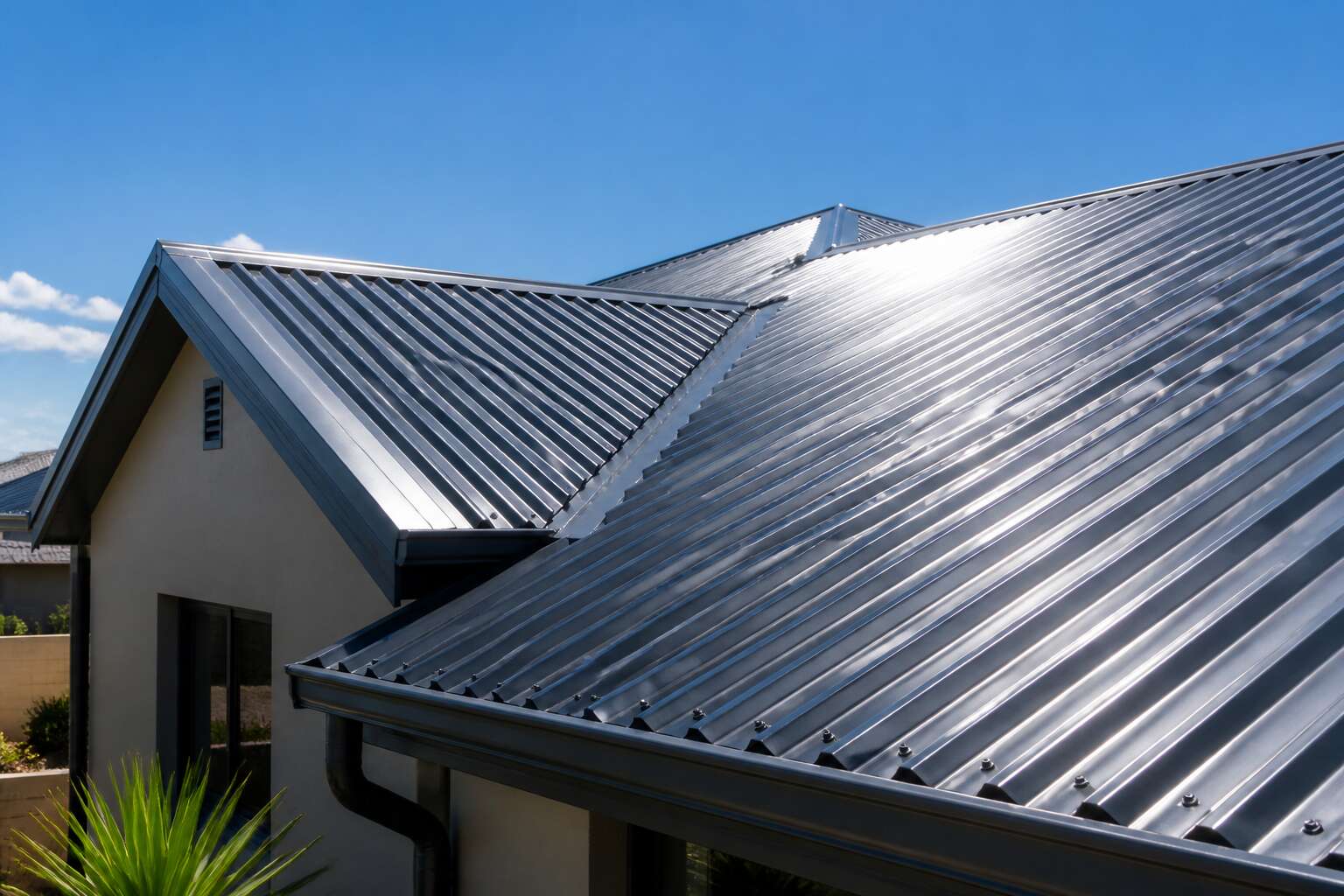
Why Roofing Sheet Choice Matters in South Africa
Long-Term Value vs Upfront Cost
A corroded roof costs South African homeowners thousands in hidden damage. The difference between premium and budget options feels trivial at the till point. Over a twenty year lifespan, that gap expands.
Roof sheets za suppliers stock a wide range of profiles, but the real split sits in the steel thickness and the zinc-aluminium coating. A cheaper sheet saves perhaps R40 per metre today. Five years later, its protective layer has worn thin, and replacement labour dwarfs any initial saving. I have watched homeowners choose the bargain panel twice over because the first one failed early. The trade off between upfront cost and long term value is not abstract. It is a question of how many times you want to pay for the same surface.
Building Regulations and Safety Standards
Who knew a roof could be so bureaucratic? The National Building Regulations have opinions about your roof. Any compliant roof sheeting must meet SANS 10400 requirements for waterproofing, wind resistance, and fire behaviour. Overlook these and the municipality will not issue your occupancy certificate.
- Wind loading compliance per SANS 10160
- Fire classification for the sheet profile
- Minimum steel thickness and coating mass
- Fastener spacing and installation methods
Each item carries legal weight. A sheet that looks identical might still lack the structural traceability the regulations demand. Builders in Gauteng have learned this when hail damage exposes underrated material. The law exists because roofs fail. Your choice of roof sheets za is a legal decision before an aesthetic one.
Popular Types of Roofing Sheets Available Locally
Corrugated Iron Sheets: The Classic Option
Corrugated iron has a long, unbroken history in South Africa, its ridges tracing the skyline from rural homesteads to industrial yards. I appreciate its unpretentious character. This is a material that earned its place through function, providing dependable shelter across generations of punishing sun and sudden storms.
The classic profile offers more than simple tradition. Its structural shape delivers surprising rigidity, enabling broad spans over straightforward wooden or steel frames. When sheets inevitably weather, the remedy is simple, which counts for something when you manage a property yourself.
The core advantages remain clear:
– Proven performance across decades of variable local climates
– Easy availability of standard sizes and fittings
– Straightforward handling during installation
For anyone comparing roof sheets za, corrugated iron sets the benchmark. Its continued popularity is not nostalgia, but a sensible response to conditions that demand resilience.
Tiled Roofing Sheets: Aesthetic Appeal and Durability
The sight of a tiled roof signals permanence. In South Africa, tiled roofing sheets replicate masonry grandeur without the oppressive structural weight. They deliver a crisp, dimensional shadow line across the roofline, adding architectural character to homes and commercial buildings alike.
Durability has its own logic here. These sheets carry a baked-on finish that resists the corrosive breath of coastal air. Some profiles I have seen handle high-velocity winds with impressive composure!
Profiles worth knowing:
- The double Roman, with its bold curved ridges
- The Shingle profile, which mimics individual shakes
- The modern flat tile, offering a cleaner, more restrained aesthetic
Each one changes the play of light and shadow. When selecting roof sheets za, the profile alters more than appearance; it changes how the building relates to its surroundings.
Polycarbonateand Fibreglass Sheeting for Lightweight Applications
Polycarbonate and fibreglass sheeting solve a problem that heavier profiles cannot touch: how to let light through a roof without inviting weather inside. South African workshops, covered patios, and greenhouse structures rely on these translucent panels to soften harsh sunlight while keeping rain out. The material bends around curved frameworks with ease, which makes it a favourite for carports with architectural flair.
Fibreglass offers a warm, diffused glow that feels almost organic. Polycarbonate, by contrast, delivers a sharper clarity and superior impact resistance. Both options weigh a fraction of what steel or clay demands, so they place far less stress on supporting beams. For any project where roof sheets za must combine illumination with practicality, these lightweight panels remain an enduring solution.
Insulated Roof Panels for Energy Efficiency
The cost of cooling a South African home has become a dinner-party conversation starter. Insulated roof panels, with their foam cores sandwiched between steel skins, answer that problem directly. These panels arrive as complete sections, so installation moves quickly and waste stays low. The insulation works year-round, keeping heat out in summer and trapping warmth in winter. This matters when Eskom’s supply remains unpredictable and every kilowatt counts.
For workshops, retail spaces, and homes alike, insulated roof sheets za offer a practical route to lower energy bills. The upfront price sits above standard corrugated iron, but the monthly savings accumulate. Local suppliers now stock roof sheets za in a variety of colours and profiles, so the industrial look is no longer compulsory. Choose a thickness based on your climate zone; the coastal humidity demands different specifications than the Highveld’s cold mornings.
Colorbond and Steel Sheet Options for Modern Builds
Colorbond and steel sheeting dominate the local market for reasons that go beyond durability. The prepainted steel carries a baked-on finish that resists chipping and fading, which matters under the African sun. Modern builds favour sleek, deep profiles and hidden fastener systems for a clean roofline. Suppliers across the country offer a practical range:
- IBR (Inverted Box Rib) for broad coverage and rapid installation
- Corrugated profiles for classic lines and dependable water runoff
- Trapezoidal and concealed fastener panels for architectural finishes
Each option suits a different roof pitch and aesthetic. When selecting roof sheets za, the choice comes down to profile depth, colour palette, and the warranty behind the paint system. Zincalume and Colorbond both perform well, but the prepainted product wins on appearance and long term appeal.
Key Factors to Evaluate Before Buying Roofing Sheets
Gauge Thickness and Material Quality
The difference between a roof that weathers a Highveld thunderstorm and one that leaks for years often comes down to a quiet conversation about numbers, specifically the gauge of the steel. On a recent trip to a hardware supplier in Polokwane, I watched a farmer run his thumb over the edge of two samples. He was feeling for thickness, for reassurance. He knew that a cheaper sheet, measured at 0.27mm, might save him a few rand today, but the wind would bend it, and the hail would dent it like soft putty.
Material quality is equally critical, though it is a factor you cannot see with the naked eye. The zinc coating, known as the Z profile, determines how long your roof sheets za will survive the corrosive mix of coastal salt or acidic rain. A lower coating mass is a silent compromise. When you look at options for your roof sheets za, consider these physical tests:
– Check the actual sheet thickness with a micrometer, not just the label.
– Look for a warranty that covers the paint finish against chalking and fading.
– Ask about the tensile strength, which tells you how much weight the sheet can carry.
– Inspect the base metal for impurities that could cause rust from the inside out.
I have seen new homes in Mpumalanga with shimmering roofs that dulled to a chalky grey within three years. The owners chose the wrong paint system, an economy option. The metal underneath was fine, but the aesthetic failure was costly. The true character of a roof is revealed in its resistance to the everyday, the slow creep of corrosion. The fasteners also matter, as a galvanised screw with a rubber washer can fail prematurely, turning a solid installation into a persistent headache. Ultimately, the choice of gauge and coating is a conversation about peace of mind, about not having to climb a ladder for a decade. That is worth more than the initial price tag suggests.
Coating Systems and Corrosion Resistance
Corrosion rates along the South African coast can be ten times higher than inland, a fact that should shape every purchasing decision. A roof sheets za product that lasts decades in Gauteng may fail within years in Richards Bay, where salt particles settle into every microscopic crevice.
The coating system consists of multiple layers. Hot-dipped zinc provides sacrificial protection across scratches, while aluminium-zinc alloys form a passive barrier against chloride penetration. Cut edges are the starting point of corrosion, because shearing exposes bare steel. Some manufacturers apply edge seals or heavier coating masses, but verification rests with the buyer. When comparing roof sheets za suppliers, the coating specification is the true differentiator.
- Coating mass in grams per square metre, the only reliable cross-brand comparison
- Primer layer beneath the topcoat, often missing in economy products
- Corrosivity category certification for the intended region
- Warranty terms that explicitly cover cut edges and flashings
Profile Profiles and Compatibility with Roof Pitch
Most roof failures start at the profile, not the paint. A roof sheets za product with the wrong profile for your pitch will leak, no matter how well it is coated. Suppliers offer trapezoidal, corrugated, and ribbed profiles, and each carries a minimum recommended pitch.
Corrugated sheets on a 5 degree slope behave differently than on a 20 degree slope. The lap, the side overlap, and the fastener placement all change. Some profiles accept low pitches, around 2 degrees, but only with sealed laps and special installation methods. Others demand 10 degrees or more.
Consider these points before choosing:
- The manufacturer’s stated minimum pitch for that exact profile
- The lap length specified for your rainfall region
- Whether the profile matches your purlin spacing
- The fastener pattern for wind uplift
Your roof pitch is not negotiable. Select the profile around it, not the other way around.
Load Capacity and Wind Resistance
South Africa’s wind loads are not a joke. The South African Bureau of Standards, through SANS 10160, defines specific wind zones that dictate what a roof must resist. A panel that fails here does not just leak; it lifts off and becomes a projectile. This is why the static weight of the sheet matters less than its dynamic response to gusts.
The gauge thickness determines the sheet’s stiffness, but the profile’s depth determines its span capability. A shallow profile on wide purlin spacing will flutter in the wind. That flexing loosens fasteners over time. You end up with a roof that sounds like a drum in a storm and performs like a sieve in the rain.
Wind load is transferred from the sheet to the purlins through the fasteners, then to the structure. Your roof sheets za selection must be engineered for this path. Consider these mechanics:
1. The screw pull-out strength, which depends on the metal thickness and the purlin material.
2. The side lap fasteners, which are critical for preventing the sheet from peeling apart between supports.
3. The spacing of the stitching screws, which must match the pressure differentials of your specific site.
Look for profiles that offer a higher section modulus if you are in a coastal zone. The salt air corrodes, but the wind pressure tests the sheet’s structural integrity long before rust ever gets a chance. Never assume a thicker gauge automatically means a stronger roof if the profile geometry is weak. The bend radii and the height of the ribs are the real heroes here. They dictate how the sheet disperses the kinetic energy of a gust. A flat table top of steel will buckle under pressure that a properly contoured ribbed sheet would laugh off. Prioritise the profile’s shape. That is the only thing standing between you and a costly structural failure.
Warranty and Supplier Reputation
A warranty is only as reliable as the company behind it. When you compare roof sheets za options, ask how long the supplier has operated in the local market. A five year warranty from a company that closes next year protects nothing. Check how claims are handled. Some suppliers require you to return the entire batch of sheets, which makes a claim impractical.
Supplier reputation ensures the batch you receive matches the sample you approved. Reputable suppliers stock matching flashings, gutters, and fasteners, preventing compatibility issues later.
- Confirm the warranty covers the coating and the steel substrate separately.
- Ask whether the warranty transfers to a new owner.
- Verify the supplier is an approved distributor.
Roof sheets za suppliers with established reputations provide installation guidance that prevents common failure points. A warranty is a promise, but the supplier’s track record determines whether it holds weight.
Installation Tips and Maintenance for Roofing Sheets
Pre-Installation Site Preparation
In South Africa, a roofing project begins long before the first sheet is lifted. Proper pre installation site preparation determines whether your roof sheets za perform for decades or fail within seasons. Neglecting this stage is the most common cause of premature roofing failure across the country.
The essential checks include:
- Verify trusses and purlins are aligned and square
- Confirm the roof pitch matches the profile specifications
- Store sheets on a flat, dry surface with protective film intact
During installation, drive every screw at the correct depth. Overdriving crushes the washer; underdriving leaves gaps for moisture entry. Once complete, inspect the roof sheets za every six months for loose fasteners and debris buildup. Clear valleys and gutters regularly to prevent water pooling. Pay attention to the flashings and ridges where leaks often start. Routine upkeep of fasteners and drainage points will preserve the structure.
Fastener Placement and Sealing Techniques
Getting fastener placement right on roof sheets za is a matter of patience. Drive each screw perpendicular to the sheet surface, and let the washer just kiss the metal. Overdriving crushes the EPDM washer, while underdriving leaves a gap for moisture. I always check the screw’s rubber seal after installation, because a single compromised washer can compromise the entire roof.
Sealing techniques matter most at overlaps and flashings. Apply a quality sealant along the side lap of every sheet, and use a purpose made ridge cap with pre-drilled holes. For maintenance, inspect the fasteners every six months. Tighten any that have worked loose, but avoid overtightening. Also, look for rust around the screw heads, especially in coastal areas. These habits keep roof sheets za performing season after season.
Overlap and Flashing Instructions
Proper overlaps prevent water ingress on roof sheets za. A side lap of one corrugation minimum, and end laps of 150 mm for pitches under 15 degrees, must be respected! I always align sheets squarely before fixing, because a skewed sheet creates gaps no sealant can heal. For flashing, the sequence determines success.
Follow this order:
- Fit the flashing over the ridge or valley, with a 100 mm overlap onto the sheet.
- Pre-drill holes through the flashing only, not through the sheet.
- Apply a continuous sealant bead under the flashing’s upper edge.
- Secure with rivets or screws at 200 mm centres.
Butt joints in flashing require a 150 mm lap with sealant between layers. When working with roof sheets za, run flashing in the same direction as prevailing rain. This approach outlasts any repair.
Common Installation Mistakes to Avoid
I have seen more roofs ruined by how installers walk on them than by any storm. Stepping on the flat pan between the ribs deforms the steel permanently. The wavy reflection never disappears. Walk only on the rib, especially with lighter gauge roof sheets za.
The cutting method causes a different type of damage. An angle grinder throws hot sparks that embed directly into the metallic coating. That heat also anneals the zinc at the cut edge! Over the next decade, corrosion creeps inward from that line. Electric shears cost less than a future repair.
Condensation under the sheet is another failure. When the vapour barrier sits on the wrong side, moisture pools against the metal and gradually breaks down the coating.
- Fit the film on the warm side of the insulation.
- Keep the foil facing one direction only.
- Staple it taut without folding it over.
A small orientation error creates a permanent damp cycle. Using quality roof sheets za and respecting these details prevents the most common causes of premature failure.
Routine Inspections and Cleaning Routines
In South Africa, a typical metal roof faces intense UV exposure, wind-driven rain, and temperature swings of 20 degrees Celsius in a single day. Most homeowners inspect their roof sheets za once a decade, which is once too few! A simple routine every six months catches small issues before they become structural.
When inspecting, look for leaf buildup in the valleys and around penetrations. That organic matter holds moisture against the metal. Clean the surface with a soft brush and water, never a pressure washer, which can force water under the laps. Pay attention to fastener heads; a loose screw or popped rivet signals thermal movement that needs addressing.
A sensible inspection checklist includes:
- Check gutters and downpipes for blockages
- Look for rust staining around cut edges or scratches
- Confirm the sealant around flashings is still intact
These small acts of care extend the lifespan of your roof sheets za considerably.
Cost Considerations and Quotes for Roofing Projects
Price Ranges per Square Metre
With the average South African home improvement budget stretching under persistent economic pressure, the price of a new roof often feels like the final frontier of renovation costs. The market for roof sheets za is as volatile as the Highveld weather, with quotes from different suppliers for identical material specifications sometimes varying by as much as twenty percent. This variance is not a sign of poor business practice; it is a reflection of raw material import costs and local manufacturing capacity.
A professional quote should always itemise the material cost per square metre, the flashing, and the fasteners separately. Many homeowners receive a single lump sum, only to discover hidden charges for waste allowance and ridge capping later.
– Underlayment and insulation requirements
– The gauge of the metal sheeting
– Complexity of the roof pitch and valleys
– Removal and disposal of the old roofing material
These factors dictate why one property might be quoted R140 per square metre while a similarly sized house down the road is quoted R220. The honest contractor will explain that cheaper quotes often mean thinner steel or a less durable coating system.
Instead of fixating solely on the total figure, weigh the quote against the specific profile and finish you have requested. The final paper trail serves as your real protection, turning a promise of durability into a legal specification for the roof sheets za you are purchasing. In this market, the cheapest quote is simply the starting point of a negotiation, not the end of your due diligence.
Hidden Costs: Transport, Trims, and Labour
The quoted square metre price rarely captures the complete cost of a new roof. Transport is often the first surprise. Suppliers add a delivery surcharge that varies with distance and load size, and that fee can inflate your budget before a single sheet is unloaded. Trims likewise appear on the invoice as extras, not inclusions. Ridge caps, fascia boards, and valley trays are shaped individually to suit your roof sheets za profile.
Labour remains the least predictable component. A contractor may quote a day rate that excludes scaffold hire and site cleanup, so you pay those costs separately. Confirm which items influence your final bill:
- The distance from the supplier’s depot to your site
- The number of trims required for penetrations and edges
- The contractor’s policy on travel time and overtime
Then ask for a breakdown by sheeting, trims, and installation for your roof sheets za quote.
Comparing Quotes from Local Suppliers
Three suppliers can quote the same roof sheets za project with a 25% spread, yet each insists their price is fair. The discrepancy rarely comes from material quality. It comes from how each company builds its estimate.
The specification must remain identical across every quote. That means the same gauge, profile, coating, and trim list. Otherwise you are comparing different products entirely! Local suppliers often resell the same brand of roof sheets za, so price gaps point to labour or logistics choices.
- Sheet gauge and coating system
- Trim schedule including ridge and valley pieces
- Fastener type and count per square metre
Installation appears in separate line items on better quotes. A lower total might hide a thinner gauge or smaller fasteners, which will surface as maintenance later.
Financing Options and Bulk Purchase Discounts
Financing a roofing project often shifts the real cost away from the quote itself. Bank loans, credit cards, or supplier payment plans each carry interest rates that rarely appear in your initial comparisons. I have seen clients accept a seemingly lower quote, only to pay far more through a financed schedule. Bulk purchase discounts change this math entirely, especially for larger homes or farm structures. Most suppliers offer a reduced per square metre rate when you order a substantial volume of roof sheets za, but you have to ask for it explicitly.
- Confirm whether the discount applies to trims, fasteners, and ridge pieces as well
- Check if cash payments unlock a deeper price cut than financed terms
- Request a written breakdown of the bulk rate before comparing totals
A quote that assumes cash payment can mislead you when financing enters the picture. The spread among quotes often narrows once you calculate interest over a few months. Always ask suppliers how they handle payment plans, and whether roof sheets za purchases qualify for lay-by or early settlement rebates. That granular detail decides whether your final cost matches your budget.


0 Comments