
Understanding Roof Sheet Systems
What Are Roof Sheets and Their Benefits
In South Africa, a strong roof sheet installation can turn a blistering day into a sanctuary of shade and security. A striking line from the industry lingers: durable panel systems shed heat, rain, and worry with grace. Understanding roof sheets means peering at the skin that covers every home, shop, and workshop.
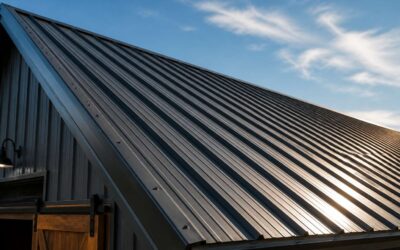
Roof sheets are thin metal panels—often corrugated—that lock together to form a weatherproof envelope. They come in steel, aluminium, or zinc-alume finishes and are designed to resist sun, wind, and coastal humidity. When chosen well, they balance weight, strength, and affordability.
Key benefits fit naturally into any project:
- Swift installation minimizes downtime
- Weather-tight performance through smart profiles
- Durable, corrosion-resistant coatings
- Versatility in sizes and configurations
From rural sheds to urban pavilions, roof sheet installation supports energy efficiency and curb appeal alike. Let the panels tell the story of a structure that breathes easy under storm and sun.
Common Materials Used in Roof Sheets
Across South Africa, the roof you choose shapes how cool or sweltering a home feels. A smart roof sheet system can shave heat and weather noise, standing as a quiet shield between sun and shade. Understanding roof sheet systems begins with the materials themselves.
- Steel (often galvanized or coated to resist rain and coastal humidity)
- Aluminium (lightweight and naturally resistant to corrosion)
- Zinc-alume (a durable alloy blending form and strength)
For roof sheet installation, the choice of material affects how a building breathes in South Africa’s varied climates. Steel offers rugged durability with protective coatings, aluminium brings lightness and corrosion resistance, and zinc-alume blends durability with flexibility. The right material aligns with coastal humidity, inland heat, and maintenance expectations.
When to Choose Roof Sheets vs Alternatives
Heat skulks over South Africa’s roofs, turning interiors into lanterns on blazing afternoons. A statistic whispers that a third of cooling energy escapes through the top when the sun is merciless. Understanding roof sheet systems reveals how materials breathe with climate, and why a well-chosen shell can stay steady. In roof sheet installation, I learned that the first decision is not color but how the metal will weather the seasons, and how maintenance whispers back from the ridge.
- Climate exposure: coastal spray or inland heat changes material needs.
- Structure and weight: option shapes how supports behave.
- Maintenance and warranties: longevity hinges on finishes and seals.
Between sheets and sleepers, the roof becomes a conversation with the building’s skeleton. Let the choice be a living thing, matched to the land, not an afterthought!
Planning Your Roof Sheet Installation
Assessing Roof Structure and Load
Across South Africa, a well-executed roof sheet installation can trim cooling costs by up to 20%, a statistic that might make even the sun pause. The planning phase looks beyond colour and sheen to the rafters, wind patterns, and the rhythm of the seasons. The aim is elegance with endurance, not a hurried, showy sprint to the gutter.
Before lifting any sheet, the structure must speak clearly: load capacities, purlin spacing, and the tapestry of existing gutters. In this regard, several factors deserve closer scrutiny:
- Structural integrity of rafters and purlins
- Wind uplift and local climate considerations
- Gutter placement and drainage flow
- Thermal insulation and condensation risk
Respecting local codes and consulting seasoned professionals ensures the roof sheet installation sits comfortably within both regulations and architectural rhythm. It’s not merely about weathering the next storm; it’s about the home’s silhouette and character standing tall.
Sourcing Materials and Warranties
“A well-planned roof sheet installation is a quiet victory,” a seasoned SA builder likes to say. The truth glows at dawn when you map every fastener, profile, and ridge cap before a single nail is driven.
In the planning phase for roof sheet installation, the focus extends beyond colour to climate, wind zones, and local regulation. I map coating options, panel profiles, and warranty expectations so sourcing supports long life and predictable maintenance rather than surprise costs.
- Warranty terms: duration, coverage, transferability
- Material compatibility: coating, substrate, and colorfastness in SA climates
- Supplier credibility: local stock, technical support, and after-sales service
When these threads align, the roof becomes a quiet stage for the home’s silhouette—resilient, elegant, and ready to weather the next season with grace.
Budgeting and Cost Considerations
Budgeting for roof sheet installation begins with a clear map of direct costs and hidden contingencies. I picture the project like a dawn-lit street grid—every edge, every seam, every access point sketched before the first nail bites in. The aim is long-term calm rather than price shocks.
Key cost drivers frame the planning: material selection, labour, access for scaffolding, and waste management. Verifying coating choices with local installers and understanding warranty implications early helps keep the budget grounded.
- Material options and pricing
- Labour and scheduling
- Access equipment and scaffolding
- Waste disposal and site cleanup
- Permits and regulatory fees
These considerations align to create a financial frame that supports long life rather than unexpected expense. The budget becomes part of the home’s silhouette: practical, resilient, and ready for whatever season South Africa sends next.
Permits and Building Codes
Roofs endure more than weather; they carry a promise to your family. A well-planned roof sheet installation hinges on permits and building codes that keep pace with South Africa’s evolving standards. Local municipalities and the National Building Regulations frame what’s allowed, when inspections happen, and how missteps cost time and money. I’ve witnessed projects stall for missing approvals, and that’s a scenario I aim to avoid.
- Permit scope and anticipated timelines
- Compliance with SANS 10400 and local codes
- Required documentation and inspection milestones
Treat permits as a quiet partner in design, guiding workmanship and budget so the roof remains a steady silhouette through Cape winds and winter rain. When codes are respected from the start, the rest of the process unfolds with fewer surprises and more confidence.
Installation Process and Best Practices
Step-by-Step Installation Overview
A telling statistic pierces the quiet of dawn over a South African suburb: 70% of roof failures trace to improper installation. In the hush between thunder and tile, roof sheet installation becomes more than craft—it is a shield against night winds and creeping leaks.
Step-by-step overview follows a disciplined cadence:
- Stage 1: Prep and safety — prep the deck and brief the crew.
- Stage 2: Layout — align lines and edges for water shedding.
- Stage 3: Seal — secure overlaps and weather-tight joints.
Best practices emerge from experience: maintain seam integrity and verify material compatibility, scheduling work in suitable weather to avoid rain-ruined joints. Tailor choices to South Africa’s climate and roof geometry to keep the rains at bay.
Done with care, the installation reads like a quiet pact with the sky!
Safety Precautions and PPE
Across a South African dawn, 70% of roof failures trace to improper installation—a truth whispered by the wind. In roof sheet installation, precision is a pact with the sky, a disciplined cadence that keeps rain at bay and roofs brave.
Safety is the quiet backbone of every ascent, a culture where risk is named and tamed.
- Hard hat
- Safety glasses or face shield
- High-visibility clothing
- Fall-arrest harness and lanyard
- Non-slip boots
- Work gloves
Best practices spring from lived experience: plan around the weather, maintain a respectful pace, and keep communication clear on the scaffolded stage.
Substrate Preparation and Underlayment
At dawn over a South African skyline, a telling truth rises with the sun: 70% of roof failures trace to improper installation. This roof sheet installation is a study in balance, where the substrate and underlayment are arbiters of fate, guiding rain away and keeping memories of storms at bay. When these elements are respected, the sky itself seems to nod in approval!
- Flat, dry, and clean decking that bears the load without wavering
- Underlayment chosen for breathability and water-sealing performance
- Substrate that is straight, sound, and free of debris or protrusions
From that foundation, installation becomes a measured, ceremonial cadence. Best practices emerge from experience: plan around weather, maintain a respectful tempo, and keep communication clear on site. I’ve learned that a calm crew and careful checks preserve seal integrity longer than haste, and that every seam speaks to the patience of the craft.
Sealing, Fastening, and Weatherproofing
On the scaffold’s pale dawn over a South African skyline, the installation process unfolds as a measured ritual. Sealing is the treaty between sheet and batten; fastening, the vow of wind defiance; weatherproofing, the quiet promise of dry mornings. In roof sheet installation, each panel is set with precision, aligning edges with a steady breath and patient hand.
- Consistent alignment along straight edges, with laps treated to reduce capillary action and keep the line clean.
- Corrosion-resistant fixings chosen to resist the elements and aligned with the project’s wind loads and design intent.
- Seams overlapped and sealed to preserve water-tightness and UV resilience, especially at vulnerable eaves and ridges.
Birds might whistle, but the roof stands firm—an urban cathedral to well-tended craft and careful checks, where weatherproofing becomes second nature.
Maintenance, Repairs, and Longevity
Routine Inspection and Cleaning
In South Africa, a sturdy roof sheet installation can shelter a home for decades, but neglect shortens its life—especially with dramatic summer storms. An alarming 60% of rooftop leaks spring from overlooked corrosion and seam wear within the first five years.
Routine inspection and cleaning act as a shield against creeping damage. A quiet, ongoing gaze catches corrosion, loose fasteners, and clogged drainage before they bloom into costly repairs. Signs to watch include:
- Loose fasteners, lifted seams, or gaps in sealant
- Rust, corrosion, or fading coatings along panels
Repairs, when needed, should be guided by professionals. Small patches and resealing can slow decay; delaying fixes invites tougher problems and reduces longevity. The choice of materials—coatings, sealants, and compatible fasteners—matters for the long haul.
Longevity hinges on consistent care, not last-minute fixes. A well-maintained roof system stands up to sun, wind, and rain, quietly guarding the home as seasons turn, with a watchful calm!
Common Repairs and Troubleshooting
In the South African climate, maintenance is the quiet aristocrat of roof sheet installation—present, prudent, and rarely thanked. When corrosion or seam wear shows its head, repairs can escalate into costly affairs. A professional assessment keeps the roof honest, preserving shade and sanity through blazing summers and sudden squalls alike.
Common repairs and troubleshooting typically fall into these areas.
- Corrosion and seam wear
- Fastener loosening and sealant failure
- Drainage misalignment and panel distortion
Longevity rests on steady care, not sporadic patchwork. A well-tended roof sheet installation withstands sun, wind, and rain, quietly protecting a South African home and its memories for years to come.
Extending Lifespan with Proper Maintenance
Across South Africa, a well-kept roof keeps homes cooler and costs steadier. A recent survey found proactive roof care can trim cooling needs by up to 20% in the fiercest sun. Maintenance is the quiet backbone of roof work—steady, patient, and rarely celebrated. When we tend to the roof with care, shade and sanity endure through blazing summers and sudden squalls.
Steady maintenance isn’t glamorous, but it’s practical: clear gutters, rinse panels, and inspect seals for drift and corrosion; touch up where metal shows wear; tighten fasteners before leaks appear; ensure drainage remains aligned. Addressing small seams and tiny drips early can stop expensive repairs from taking hold.
Longevity rests on that steady rhythm of care, not sporadic patchwork. A well-tended roof sheet installation stands up to sun, wind, and rain, quietly guarding a home and its memories for years to come.
End-of-Life Considerations and Disposal
Maintenance and repairs are the quiet guardians of roof sheet installation. A sun-burnished surface stays cooler under South Africa’s sun, and a home remains steadier when care is steady: small signals—seam corrosion, coating nicks, or a loose fastener—aren’t nuisances but invitations to preserve the shield that guards memories and livelihood.
When repairs are necessary, match the original profile and fasten with restraint to maintain both appearance and performance—so a sturdy roof keeps protecting, year after year.
- Material recyclability and local facilities
- Safe removal and transport considerations
- Documentation for compliance and warranties
End-of-life considerations guide the circle beyond use: thoughtful disposal, recycling where possible, and respect for local rules. When the metal finally yields its service, communities benefit from responsible choices that honor past work and future shelter.



0 Comments