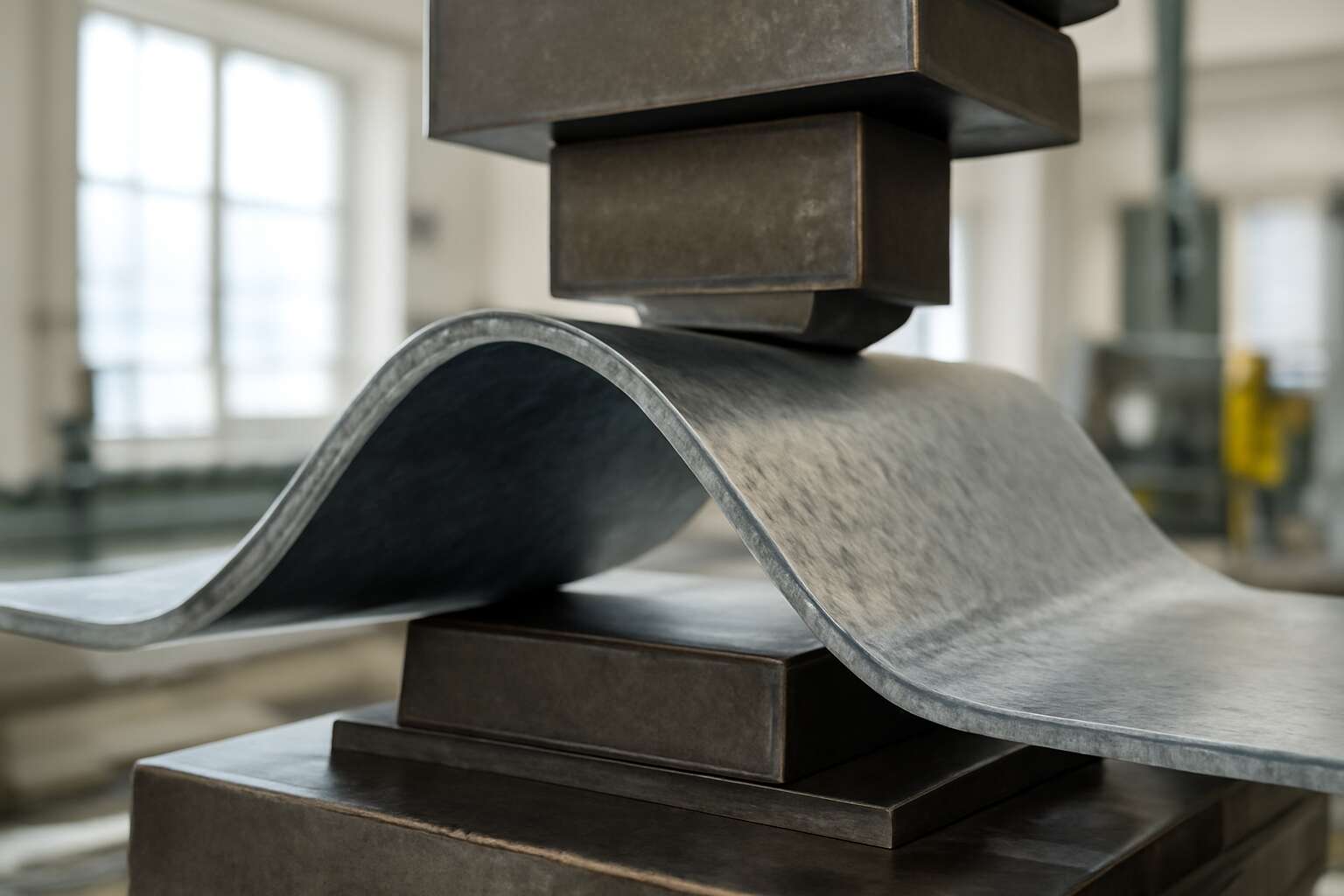
Sheet Metal Bending for Roofing: Techniques and Practices
Understanding Sheet Metal Properties for Roofing
Metal roofs endure 40 to 70 years with proper care, outlasting asphalt and offering shelter across South Africa’s sun-drenched coasts and windy highveld. The secret is roof sheet bending—an art we practice with intent, shaping panels so they breathe with temperature shifts rather than crack under strain. When engineered with care, these bends become quiet architects of resilience, guiding water away and dampening rain’s roar while adding architectural poetry.
- Yield strength and ductility shape how a bend behaves
- Coating systems resist coastal humidity and heat
- Consistent gauge and fit minimize leaks and fatigue
Understanding sheet metal properties for roofing unlocks why some panels keep their glow and others fade. Subtle shifts in alloy and coating alter how the metal yields, hardens, and recovers after bending—insights that guide safer, longer-lasting skylines without gimmicks. These principles translate into thoughtful choices for seaside refuges and urban sanctuaries alike.
Common Bending Methods Used on Roofing Panels
Roof sheet bending is the quiet craft behind every panel—where precision meets resilience. Across South Africa’s sun-scorched coasts and windy highveld, technicians choreograph folds, radii, and springback so panels breathe with temperature shifts rather than crack under strain. A precise bend can extend service life by up to 30% in challenging climates. From tight V-bends to rising standing seams, the method sets the rhythm for water to run off cleanly.
Common bending methods include:
- Brake forming for precise V- and U-bends with consistent edges
- Roll bending for long, smooth curves and standing-seam panels
- Air bending for economical work on thinner gauges
Done with care, roof sheet bending translates into panels that endure decades of sun and wind, keeping roofs taut, straight, and quietly confident.
Manual vs. Machine Bending: Pros and Cons
In this sun-scorched land, roof sheet bending is the quiet backbone of a roof that lasts. When the bend is right, wind and heat learn to work with the metal, not against it, extending service life by a meaningful margin in SA’s coastal gales and inland heat. The choice between manual and machine methods shapes that destiny.
Manual bending offers tactile control and lower upfront costs for small runs, yet its precision depends on skilled hands. Machine bending delivers steady tolerances and rapid output for long runs, reducing QA surprises. Consider these contrasts:
- Manual bending: tactile control, adaptable for irregular shapes
- Machine bending: consistent tolerances, rapid production
Across South Africa, practitioners weigh climate, scale, and crew to choreograph the fit that keeps roofs taut and resilient.
Achieving Accurate Bends: Tolerances and Measurements
South Africa’s sun-baked horizons reveal a simple truth: the bends achieved through roof sheet bending are where resilience begins. When the curve fits the panel, wind and heat learn to work with the metal, not tear at it, extending life and sparing costly repairs in coastal gales and inland heat.
Techniques and practices for accurate bends blend artistry with measurement. Tight tolerances emerge from thoughtful tooling choices, precise layout, and disciplined inspection. The following considerations quietly shape the outcome:
- Material thickness and bend radius
- Tolerance targets and reference measurements
- Springback planning and post-bend verification
In the end, mastering roof sheet bending means aligning form with climate, density with scale, and inspection with quality—an ongoing standard that keeps South African roofs taut and enduring.
Materials and Tools for Roofing Sheet Forming
Choosing Metals and Coatings for Durability
A roof’s fate is written in the metal you choose. For roof sheet bending, materials and tools behind the press decide whether shelter endures or succumbs to time. In South Africa, climate tests every seam, making durability a matter of informed choice and care.
Choose robust metals and smart coatings. Galvanized steel and aluminum cover a broad price and environment range; copper or stainless steel offer longevity. PVDF/Kynar finishes with epoxy primers shield against SA sun and coastal salt.
- Nibbler
- Aviation snips
- Hand brake
- Clamps
- Calipers
Tools that respect the metal keep bends true and finishes pristine, a quiet testament to care and craft.
Bending Equipment: Hand Tools, Roll Formers, and Press Brakes
South Africa’s climate tests every seam, and the verdict hides in the bend. The rhythm of the shop floor—smile of the saw, hush of the brake—tells the story before paint even dries!
Materials for roof sheet bending aren’t just about alloy. Galvanized steel, aluminum, copper, stainless steel—paired with PVDF/Kynar or epoxy primers—shape how a panel behaves when it leaves the press. The toolset matters as much as the metal.
Here are the tools that respect the metal and keep bends true:
- Nibbler
- Aviation snips
- Hand brake
- Clamps
- Calipers
Roll formers mold long runs; press brakes bend precise angles. Hand tools finish edges with patient care, a quiet testament to craftsmanship that endures in SA sun and coastal gusts.
Safety Gear and Worksite Preparation
Roof sheet bending thrives on more than a good shear and a steady press; it breathes in the safety gear that anchors a day to durability. When the SA sun shifts and coastal gusts tug at edges, the right PPE becomes a quiet shield between precision and accident.
- Hard hats
- Safety glasses or face shields
- Cut-resistant gloves
- Steel-toe boots with anti-slip soles
- Hearing protection
- Respiratory protection in dusty environments
Worksite preparation sets the stage: level ground, clear walkways, and a tidy storage zone for panels and clamps. Adequate lighting and weather awareness translate discipline into safer, more reliable bends. The result is a workflow that respects the metal and the people shaping it, a quiet philosophy at work on every roof sheet bending project.
Maintenance and Calibration of Tools
In South Africa’s sun-burnished workshops, roof sheet bending is a test of more than metal; it measures memory—of tools, calibration, and the discipline to keep every bend true.
Equipment is a living thing when treated with respect. The mix of hand tools, roll formers, and press brakes demands clean contact and honest alignment. Maintenance is a quiet creed: keep surfaces free of grit, guard against corrosion, and tread lightly on coatings.
- Calibration gauges
- Reference dies
- Lubricants
- Anti-corrosion sprays
- Cleaning brushes
- Lint-free rags
- Torque wrenches
- Alignment shims
These small rituals bind reliability to roof sheet bending, especially under the SA sun and dust.
Calibration of tools is an ongoing conversation with temperature, wear, and time.
Techniques and Design Considerations for Roofing Sheets
Radial and Corner Bends: Radius Selection
Roof sheet bending demands more than a sharp eye for metal; it’s about predicting how a panel behaves as it leaves the machine. In radial and corner bends, radius selection sets the life of a roof and the promise of water tightness. Too tight, and coating cracks; too generous, and panels clash with adjacent profiles.
Design considerations include springback, coating integrity, and the interaction between metal thickness, bend angle, and available space at eaves and ridges. For South African climates, allow for thermal expansion and UV exposure, ensuring the bend radius keeps paint sealed and drainage clear.
- Minimum bend radii for each metal and coating
- Coating performance around corners and radials
- Compatibility with adjacent sheet profiles and flashing
Flanges, Seams, and Edge Forming
Flanges, seams, and edge forming are the tactile punctuation of roof sheet bending. The flange’s curvature, the seam’s tension, and the edge’s draw-off determine how a panel reads against light and how water behaves at the join. In roof sheet bending, these features must negotiate thermal expansion, UV exposure, and the geometry of eaves and ridges, all while preserving a quiet, directional elegance on the South African skyline!
Key considerations include:
- Flange geometry and edge relief that minimize buckling and preserve paint seal
- Seam closure integrity across thermal cycles and panel movement
- Edge forming that maintains drainage paths and avoids snag points at corners
The result is a coherent silhouette where temperatures, coatings, and profiles converge, turning technical decisions into a lasting visual and structural dialogue.
Kinking, Crimping, and Weatherproof Details
The rooftop speaks in a language of shadows, where kinks and crimping murmur beneath sun and wind. Across the South African skyline, roof sheet bending becomes a quiet ritual—shaping light and rain into a coherent silhouette that keeps the city’s iron heart alight.
Kinking demands generous radii and deliberate curvature to avoid creases in the span; crimping anchors edges without spilling the panel’s breath; weatherproof detailing—sealed junctions, canting gutters, and careful sealants—turn moisture into a managed shadow. The result is a dialogue where thermal movement, coating behavior, and form converge in a durable, elegant line.
Consider these design notes as the panel settles into place:
- Curvature respects expected movement to preserve appearance
- Edge crimps align with drainage paths and paint seals
- Weatherproof details maintain seal integrity through cycles of heat and rain
Joints and Interlocking Systems: Pros and Cons
South Africa’s weather calendar reads like a comic strip with a missing punchline: leaks. In the realm of roof sheet bending, joints and interlocking systems become the quiet spine of weather resistance, shaping a silhouette that stands up to rain. One industry stat keeps it blunt: seven out of ten leaks begin at misaligned joints.
Joints and interlocking systems promise calm performance, but they carry trade-offs. Here are practical pros and cons that should sway any project brief:
- Pros: Water-tight seams and faster installation
- Pros: Consistent tolerances and cleaner aesthetics
- Cons: Requires precise fabrication to avoid misalignment
- Cons: Sealant maintenance in harsh sun
From canting details and overlap to drainage paths, I weigh how interlocks handle thermal movement and coating life. The design dances between elegance and practicality; the wrong fit invites creases, the right fit keeps rain where it should be—outside, not inside.
Quality Control, Standards, and Best Practices
Tolerances, Fit, and Alignment Checks
Precision is the quiet architect of roof sheet bending. In South Africa’s sun and wind, even a tenth of a millimeter can tilt a seam into misalignment. Quality control threads measurement, record-keeping, and disciplined review through every bend, so the first sheet earns its place on the roof with quiet certainty!
- Calibrated bend angles and radii verified with precision gauges
- Flatness and straightness along the panel length
- Edge and flange fit, plus seam alignment across panels
- Tolerance checks using go/no-go gauges and lightweight profilometers
- Documentation of deviations with corrective action trails
Standards anchor practice; adherence to South African standards and global benchmarks ensures consistent performance across crews and sites. Best practices demand routine calibration, random audits, and clear sign-offs, turning quality into a shared responsibility that keeps roofs watertight and resilient, even as the wind howls.
Surface Quality and Coating Integrity
Wind gusts up to 120 km/h reveal the quiet truth: seams that stray by even a tenth of a millimeter invite leaks. In this arena, quality control is the unsung architect of roof sheet bending. Every bend is recorded, every gauge read, every deviation traced—turning a hopeful sheet into a weatherproof panel with quiet certainty.
- South African National Standards (SANS) for coatings and corrosion resistance
- Go/no-go gauges and profilometers for seam and edge checks
- Routine random audits and sign-offs to keep crews aligned
Surface quality and coating integrity are not afterthoughts; they are the first line of defense. Cleanliness, proper curing, and controlled environments during bending support durable roof sheet bending outcomes. When coatings stay smooth and edges stay true, roofs endure the wind and sun.
Code Compliance and Industry Standards
In the real world of South African rooftops, quality control writes the weatherproof outcome of roof sheet bending. Compliance with South African National Standards (SANS) for coatings and corrosion resistance isn’t optional; it’s the backbone that keeps panels standing firm against sun and wind!
In practice, the path to reliability is meticulous: go/no-go gauges and profilometers measure seams and edges; routine random audits and sign-offs ensure crews stay aligned.
- South African National Standards (SANS) for coatings and corrosion resistance
- Go/no-go gauges and profilometers for seam and edge checks
- Routine random audits and sign-offs to keep crews aligned
These standards are not rhetoric; they anchor cleanliness, curing, and controlled environments during bending, turning potential flaws into durable roofs that endure wind and sun. The craft becomes more than metalwork—it’s disciplined craft.
Quality Assurance Techniques and Documentation
Quality control stands as the weatherproof sentinel of roof sheet bending. A disciplined approach can lift service life by meaningful margins; in South Africa’s sun and wind, even a 1% tightening of tolerances translates into noticeable gains in durability and performance. When we measure, sign off, and audit with intention, we turn raw metal into a lasting horizon of shelter.
Our quality assurance toolkit includes rigorous documentation and traceability that keeps every coil, bend, and seam honest. The following practices anchor consistency through the project lifecycle:
- Material certification and batch records for traceability
- Process capability studies and calibration logs for tooling
- Nonconformance reporting and corrective actions to close gaps
- Sign-offs at key milestones to ensure alignment across crews
We maintain controlled environments during critical steps, enforce clean handling, and archive the journey from initial cut to final finish. In this cycle, roof sheet bending is not merely metalwork; it is a narrative of precision, accountability, and enduring craftsmanship that withstands South Africa’s storms and sun.
Practical Applications, Maintenance, and Trends
Residential vs Commercial Roofing Applications
Practical applications of roof sheet bending span everything from streamlined parapets to rugged coastal barns. For residential projects, it enables clean trims and custom curved fascias that improve drainage and curb appeal. In commercial settings, it supports long-span canopies and ventilated facades where precise bends save weight and accelerate installation—almost like a quiet enchantment against the wind.
- Custom fascias and edge details
- Long-span roof panels for warehouses and factories
- Curved canopies and skylight linings
Maintenance keeps the bends true. Regular inspection of coatings, fasteners, and seam integrity preserves the performance of roof sheet bending systems in South Africa’s varied climate.
Trends split between residential and commercial applications. Homeowners lean toward low-slung, energy-efficient profiles with durable coatings, while larger facilities favour modular roll-formed panels and longer spans that reduce on-site disruption.
Installation Best Practices and Common Pitfalls
A gusty morning in the Western Cape shows that roof sheet bending is less about force and more about restraint—an engineering poetry that lets metal bend to purpose without surrendering strength. When bends are chosen with context, drainage improves and quiet durability follows.
Practical applications span clean trims and curved fascias on homes, and long-span canopies or ventilated facades on larger facilities. The result is lighter assemblies, quicker installation, and a more cohesive architectural language that holds up against wind and weather.
Maintenance keeps the bends true. Regular attention to coatings, fasteners, and seam integrity preserves performance across South Africa’s varied climate, from coastal spray to inland heat.
Trends lean residentially toward low profiles and energy-conscious coatings, while commercial spaces favour modular roll-formed panels that minimize on-site disruption. Common pitfalls include misjudged bend radii, edge-seal gaps, and rushed fastening—issues that erode efficiency and weather resistance.
Maintenance after Bending: Inspection and Repairs
Practical applications of roof sheet bending manifest in clean trims and curved fascias on homes, canopies on schools and factories, and ventilated facades that breathe with the wind. It is restraint rather than raw force—a quiet discipline that lets metal bend to purpose without surrendering strength.
Maintenance after bending keeps the curves true. Regular checks of coatings, fasteners, and seam integrity preserve performance through coastal spray, inland heat, and shifting temperatures. With steady care, the system remains yaw-free and weather-resistant across South Africa’s diverse climes.
- Visual inspection of bends and radii for distortion
- Sealant and seam checks with attention to edge seals
- Fastener torque and corrosion checks
Trends tilt toward low profiles and energy-conscious coatings in homes, while commercial spaces favour modular roll-formed panels that speed installation and curb on-site disruption. roof sheet bending becomes a refined craft, guided by durability and a quiet architectural language.
Cost, Lead Time, and Material Availability
Roof sheet bending turns metal into architecture—clean trims on homes, curved fascias on schools, and ventilated facades that breathe with the wind! It’s restraint with purpose—strong enough to endure South Africa’s sun and coastal spray, yet flexible enough to weave with a building’s shape.
Maintenance keeps those curves true. Coatings resist heat and moisture, seams stay watertight, and fasteners stay secure through temperature swings. When kept in check, the system remains durable across varied climates.
Trends lean toward low profiles and energy-efficient coatings in homes, while commercial spaces favor modular roll-formed panels that speed installation and curb on-site disruption. Costs, lead times, and material availability hinge on supply chains and chosen finishes.
- Material availability and delivery schedules
- Coating options and warranty terms
- Assembly methods and on-site logistics


0 Comments