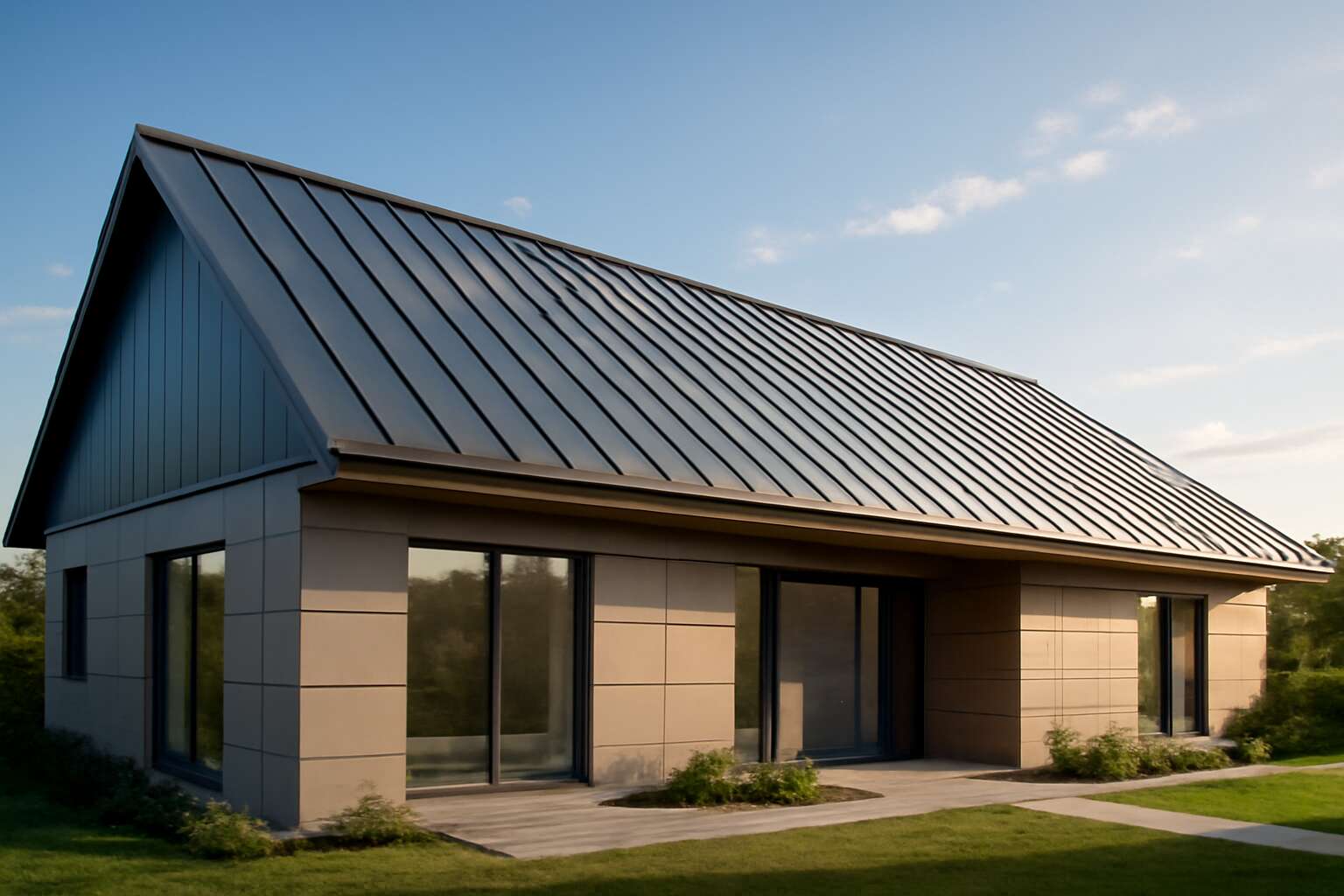
Material and profile options for roofing sheets
Metal roofing sheet profiles: corrugated, ribbed, standing seam
Rooftops are the unsung climate-control heroes of South Africa. A well-chosen roof sheet design can shave cooling bills and keep rain at bay, even during a blistering summer. Get the material and profile right, and your building behaves like a cool-headed superhero on the hottest day.
Materials span tough galvanised steel, zinc-alume, and light aluminium, all offered with modern coatings that shrug off sun, rain, and the salty coastal air. Polyester and PVDF finishes add colour longevity, while colour-matched options let your roof blend with—or boldly stand out from—the street.
Profile options are where the shape meets strategy.
- Corrugated: classic, budget-friendly, strong runoff
- Ribbed: added rigidity and wind resistance
- Standing seam: weather-tight, seamless finish
Each profile serves different wind, rain, and installation realities, so the choice should echo the local climate and project timeline, not just the look.
Polycarbonate and PVC sheet options for light-transmitting roofs
Light is the clandestine architect of space, shaping mood and temperature with every sunbeat. In roof sheet design, polycarbonate and PVC sheets stand as translucent sentinels, guiding daylight where it matters while keeping rain at bay. Multiwall polycarbonate offers robust light transmission and storm-ready resilience, shrugging off hail and heat. PVC sheets present a lighter, cost-conscious option with steady diffusion that softens glare across living spaces and shade-protected courtyards.
Where profiles meet purpose, the materials reveal their character.
- Polycarbonate: exceptional impact resistance, strong light transmission, and UV protection for longevity.
- PVC: lightweight, economical, easy fabrication, and reliable diffusion for bright interiors.
- Profile notes: translucent corrugated or trapezoidal sheets blend daylight with drainage and shadow.
In South Africa’s climate, these options transform roofing into climate-conscious canvases, marrying durability with daylight in a dance of shade and glow.
Aluminum vs steel vs galvanized steel: material choices and design implications
Durability is the quiet currency of a roof that lasts, and in South Africa that truth guides roof sheet design more than flash trends do. Aluminum, steel, and galvanized steel each carry distinct strengths that shape how a roof handles wind, heat, and coastal spray.
- Aluminum: light, highly resistant to corrosion, and easy to finish—ideal where weight matters.
- Steel: strong, versatile, and relatively affordable with protective coatings or paints.
- Galvanized steel: sturdy, cost-conscious, with great baseline protection for harsher climates.
A balance between aesthetics, resilience, and maintenance forms the heart of any roofing decision—three attributes that define a building’s identity when the sun rises and the sky leans into it.
Coatings and finishes that affect durability and aesthetics
South Africa’s roofs endure roughly 2,000 hours of intense sun each year—enough to toast a joke or test a finish. From my desk, that glare makes coatings the quiet heroes of any build, shaping how wind and heat are handled on top.
Material choices and profile options go hand in hand when crafting durable, good-looking roofing sheets. The coatings you pick—plus the base metal—drive longevity and curb appeal. Then the profile influences water shedding and rigidity, often with subtle texture that hides wear and fingerprints.
- PVDF-based coatings for colorfastness and UV resilience
- Polyester and coil coatings for value
- Powder coatings for durable textures
All told, this is the essence of roof sheet design, where durability, aesthetics and maintenance dance in the same sunlit rhythm.
Structural design considerations for roof sheets
Span, load, and support: calculating roof sheet spans
Mounting a roof sheet design in the South African sun begins with a truth as stubborn as a breeze: spans, loads, and supports decide the poetry of a roof’s life. Up to 15% of roof failures trace back to miscalculated spans and wind uplift, so precise planning matters for durability and safety.
Span, load, and support: calculating roof sheet spans must account for material capacity, wind pressure, and the way purlins carry rhythm to the rafters. Key levers include:
- span-to-deflection ratios
- purlin spacing and connection detailing
- live versus dead loads and seasonal wind effects
With these notes, the roof becomes not just protection, but a quiet, enduring arc over a home or workshop—an architecture of resilience that sings in the wind and holds fast.
Fastening systems and weather sealing methods
South Africa’s gusts remind us that roof sheet design is an unfolding poem of seams and resilience. A single loose fastener can turn shelter into sieve, and wind uplift writes its own verdict when grips fail. The safety of the home hinges on meticulous attention to fastening systems and weather sealing.
Consider these linchpins of durability in roof sheet design:
- Corrosion-resistant fasteners matched to coating and substrate, with correct pilot holes and washers
- Through-fastener vs concealed-fastener systems, including standing-seam details that allow for thermal movement
- Weather seals and gaskets using compatible sealants (polyurethane or silicone) that resist UV and temperature cycling
- Flashing, edge trims, and proper lap detailing to repel rain at penetrations and joints
Together, weather sealing methods and fastening choreography yield a graceful, wind-hardened silhouette—proof that a thoughtful roof sheet design can endure the long SA season with quiet dignity.
Ventilation and condensation control in sheeted roofs
Ventilation and condensation control are the quiet governors of any roof system. In roof sheet design, the way air moves through an attic or concealed space determines durability more than the hue of the finish. South Africa’s climate swings—from blazing days to humid nights—test the envelope, and dampness that lingers can dull metal and invite unseen damage. Proper ventilation keeps metal cooler and interiors drier, a small luxury with a big payoff.
- Strategic eave and ridge ventilation to establish cross-flow without channeling wind-driven rain.
- Vapor barriers and insulation alignment to minimize dew-point formation inside the envelope.
- Thermal movement accommodations through panel joints and flexible detailing to prevent buckling and gaps.
Ultimately, viable roof sheet design threads ventilation, condensation control, and structural compatibility into a single, resilient silhouette—one that stands up to SA’s seasons, and reminds us that form must always follow function.
Thermal expansion, movement, and design allowances
South Africa’s climate is a chessboard— blistering days, humid nights, sudden squalls. In roof sheet design, the real test isn’t color or finish—it’s how metal breathes. Thermal expansion and contraction demand joints that can move without buckling, and flexible fasteners that hold while allowing for life’s heat-driven drama.
- Allow enough panel-to-panel slack at joints to accommodate thermal movement without buckling.
- Use flexible sealants and floating fasteners to absorb shifts at eaves and ridges.
- Prefer continuous purlins and slip-plates to maintain alignment under heat and load.
These careful allowances compound into a silhouette that resists SA’s sun and wind. When executed with precision, the design stays durable through every season, proving that restraint is as powerful as scale.
Performance and protection: weather, durability, and efficiency
Wind resistance and uplift design for sheet roofs
Coastal gusts from the Cape to the Wild Coast can rearrange a roof in a heartbeat. In these theatres of weather, a single seam becomes a tale of leaks or safety. The art of roof sheet design kneels weather, durability, and efficiency into a graceful balance, turning brutal wind into a measured breath and keeping interiors calm.
Key performance factors include:
- Wind load paths that direct gusts along the sheet, not into joints.
- Secure fastenings and overlapped joints that resist uplift without cracking seals.
- Drainage and thermal movement allowances that prevent ponding and fatigue.
This combination yields a roof sheet design that remains steadfast through storms and seasons, marrying durability with economical energy use and a long-lasting silhouette.
Waterproofing and leak prevention strategies
Storms along South Africa’s coastline test roofs with surgical precision. In roof sheet design, waterproofing isn’t an afterthought—it’s the first line of defense against capricious weather. A single seam can decide whether an interior climate stays calm, so durability and aesthetics must mingle with restraint.
- Seam integrity at penetrations and transitions, ensuring continuous protection.
- Durable, UV-stable sealants that tolerate movement and temperature swings.
- Continuous underlayer logic and edge detailing to shed water away from joints.
With these considerations, the roof remains a quiet guardian—dry, efficient, and enduring through the seasons. The measure of quality in this field is seen in interiors that stay comfortable when storms rage outside.
Insulation integration and energy efficiency benefits
South Africa’s coastal climate—blazing sun, capricious wind, and the occasional downpour—turns roofs into a high-stakes performance arena. A well-conceived roof sheet design not only keeps rain out but also tames heat, gusts, and relentless sun. It’s the quiet guardian that lets interiors stay calm when the storm yells outside.
Smart insulation integration makes the difference, turning roof assemblies into partners for energy efficiency. A setup that borrows reflective finishes, controlled air gaps, and compatible sealants reduces heat ingress, stabilizes indoor temperatures, and lightens the burden on cooling systems throughout the year.
- Lower cooling loads through reduced heat gain
- Consistent indoor comfort across seasons
- Longer roof life with durable coatings and movement tolerance
Performance and protection are inseparable, delivering weather resilience and efficiency without fanfare.
UV exposure, aging, and maintenance planning
Weather on South Africa’s coast writes its own epic—blazing sun, capricious wind, sudden downpours—and roof sheet design must answer in kind. UV exposure quietly ages surfaces, while salt and humidity press for durability. The result is a weatherproof canvas that keeps interiors calm even when storms roar outside.
Across coastal installations, layers must partner against UV exposure, aging, and the relentless sun. A harmonized blend of coatings and movement tolerance helps the system breathe through decades.
- UV-resistant coatings that slow aging
- Elastic, weather-tolerant sealants for movement
- Low-maintenance, easy-clean surfaces to reduce upkeep
Together, these choices deliver durable protection and sustained efficiency, letting the roof perform with quiet confidence as weather rages outside.
Aesthetics, compliance, and lifecycle considerations
Color choices, finishes, and architectural matching
The roof sheet design of a building is more than weatherproofing; it’s a statement. In South Africa, the right choice sharpens curb appeal while withstanding heat, hail, and sun, shaping how people experience the space from the moment they arrive.
Aesthetics, compliance, and lifecycle considerations go hand in hand. The finish should resist fading in harsh sun, the color should resonate with surrounding architecture, and the project must meet local codes and wind and moisture guidelines to stay durable across decades.
Color choices, finishes, and architectural matching guide the palette.
- Earth tones that blend with veld and brick
- Cool neutrals to reflect heat while staying timeless
- Metallic or textured finishes for modern landmarks
Code compliance, zoning, and building permits for sheet roofs
Roofs are more than weatherproof shells; they’re declarations of intent. In South Africa, the road from concept to completion often winds through zoning reviews and permit approvals before a single panel is laid. Aesthetics and lifecycle considerations belong here: the finish withstands harsh sun, and the roof sheet design ages with grace when permits and codes are respected. When you speak to materials with purpose, you shape the space from the moment of arrival.
- Code compliance: ensuring materials, installation, and performance meet national standards
- Zoning: alignment with municipal planning, setbacks, and usage limits
- Building permits: securing approvals before construction to avoid delays
Committing to compliance isn’t a chore; it’s stewardship. Proper documentation, clear records, and durable warranties transform maintenance into a routine rather than a crisis. I feel this daily: alignment across aesthetics, law, and longevity writes a lasting story in metal and light, and roof sheet design becomes a living agreement with time.
Lifecycle cost analysis and return on investment
A roof sheet design that ages with grace doesn’t just shelter—it speaks to a home’s character. In South Africa’s fierce sun, aesthetics and resilience walk hand in hand, and the right choice pays back with every season as the facade remains inviting and intact.
Lifecycle cost analysis weighs the initial outlay against ongoing maintenance, energy savings, and the longevity of warranties. When ROI is considered, the smart choice becomes clear: durable finishes and thoughtful detailing reduce disruptions and boost long-term value.
- Aesthetics that harmonize with the local landscape and architectural vernacular
- Maintenance planning and warranty terms that improve reliability over time
- Energy performance and cooling load reductions tied to material choices
Recycling, disposal, and environmental impact of roofing sheets
In South Africa’s blistering sun, a roof sheet design that ages gracefully tells a home’s story. A 2023 industry survey shows durable finishes can trim lifecycle energy costs by up to 15%.
Aesthetics matter: harmonize finishes, hues, and profiles with the local vernacular while resisting fade. Finishes that patina, light-catching edges, and textured surfaces create curb appeal and lasting reliability.
- Color and finish aging under SA sun
- Profile rhythm echoes local roofs
Compliance and lifecycle walk hand in hand with recycling, disposal, and environmental impact. When roof sheet design uses recyclable metals—aluminium or coated steel—it becomes easier to repurpose rather than landfill; coatings with low emissions help too.



0 Comments