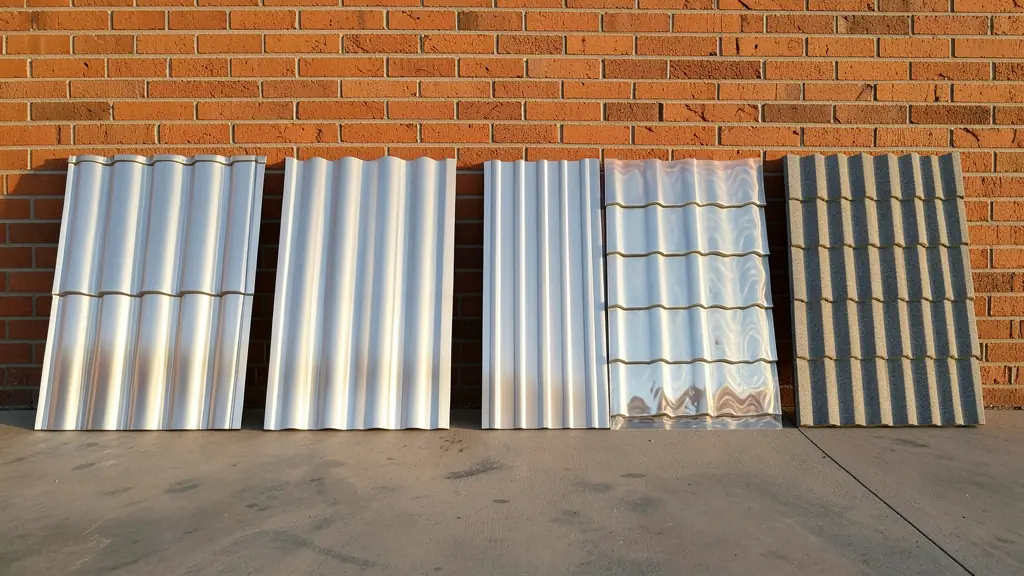
Asking which type of roof sheet to use is really two questions: which shape, and which material. In South Africa most roofs are steel, in the IBR, corrugated, concealed fix or tile effect profile, with a coating chosen for the site. Then there are insulated panels, the plastics (polycarbonate, PVC, fibreglass) and fibre cement. Each suits some buildings and fails on others. The table below sets them side by side, and the sections after it match them to a building.
The main types side by side
| Type | Weight | Suits | Watch |
|---|---|---|---|
| IBR steel | Light | Houses, sheds, factories | Thickness and coating |
| Corrugated steel | Light | Farms, older houses, curves | Needs a steeper pitch |
| Concealed fix steel | Light | Low pitch, long runs | Clips matched to the sheet |
| Tile effect steel | Light | Houses wanting a tiled look | Cut length set by the step |
| Insulated panel | Medium | Cold rooms, offices | Cranage, fire questions |
| Polycarbonate | Very light | Patios, carports | Heat under clear sheets |
| PVC | Very light | Light patio covers | Goes brittle in sun |
| Fibreglass | Light | Chemical and salt sites | Fibre bloom with age |
| Fibre cement | Heavy | Schools, halls, farms | Brittle under foot |
Metal roof sheets: shape first, coating second
The four steel profiles can each come in plain galvanised, aluminium zinc or pre-painted steel, and some in aluminium. The shape decides the pitch, the span and the look: IBR for most jobs, corrugated for a farmhouse or a curved roof, concealed fix for a warehouse at a very low pitch. The coating decides how long it lasts where it is, and the thickness how it takes hail and foot traffic. Two sheets of the same profile can be very different roofs.
Choosing for the building
- A house on the Highveld: pre-painted IBR or tile effect at 0.47 mm or thicker, insulated underneath for heat and rain noise.
- A farm shed inland: galvanised or aluminium zinc corrugated or IBR.
- A factory with a low roof: concealed fix, so no screws pierce the pans.
- The coast: a heavier coating class, aluminium, or fibre cement.
- A poultry house or piggery: ammonia eats thin coatings fast, so ask about fibre cement, fibreglass or a coating made for it.
- A patio: polycarbonate rather than PVC.
What stays the same whatever you choose
The minimum pitch and the purlin spacing come from the maker's data sheet for that profile and thickness. The flashings and ridge are where leaks start. And the weight matters: swapping light steel for fibre cement on old trusses needs checking first. The roof sheet weight calculator gives the load.
What to put in your request
- Say what the building is and what it is used for
- Give the town and how far it is from the sea
- Give the roof pitch or the rise and run if known
- Say what matters most: hail, heat, noise or price
- Mention any colour rules from an estate
Types of Roof Sheets: who asks for them and why
- Homeowners and DIY builders: choosing between IBR, tile effect and corrugated for a new house or an addition
- Roofers and roofing contractors: explaining the options to a client who only knows they want a roof that does not leak
- Builders, developers and quantity surveyors: picking the sheet and coating at the plan stage, before the trusses are designed
- Factories, warehouses and steel buildings: concealed fix or panels for a plant, or fibreglass where acid fumes eat steel
- Shops, offices and business premises: a steel roof with clear sheets over a showroom or polycarbonate over a courtyard
- Farms: sheds, barns and animal houses: corrugated for a barn, fibre cement for a piggery, IBR for an implement shed
- Schools, churches, clinics and halls: a quiet, low maintenance sheet for a school hall, clinic or church roof
- Landlords, body corporates and estate managers: agreeing one sheet type and colour for a complex that the rules will allow